
Removing Earwax From Ear: What Works And What To Avoid
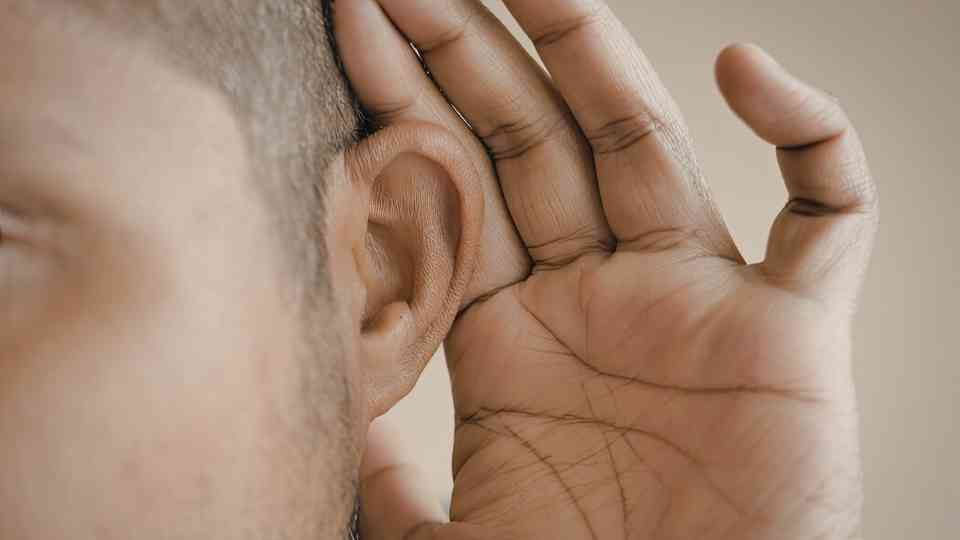
Earwax is a natural and protective substance produced by the body, but when it builds up, it can cause real discomfort. Blocked ears, muffled hearing, and a sense of fullness are all common complaints, and many people reach for the nearest cotton bud or home remedy without thinking twice. The problem is that not all earwax removal methods are safe, and some can make the situation considerably worse.
This guide covers what works and what to avoid when removing earwax from the ear, so you can make an informed decision about your ear health.
If you are struggling with a blocked ear in Bradford, contact us or book an appointment with our team to discuss professional earwax removal.
Why Does Earwax Build Up?
The ear is largely self-cleaning. Earwax, known medically as cerumen, is produced by glands in the ear canal and gradually moves outward, carrying dead skin cells and debris with it. For most people, this process works without any intervention.
However, some individuals are more prone to earwax build-up. This can happen when the ear canal is narrow, when earwax is particularly dry or sticky, or when items such as hearing aids, earphones, or cotton buds are used regularly in the ear. According the NHS, earwax build-up affects around one in 20 adults in England and is one of the most common reasons people seek ear care.
What To Do: Safe Methods For Removing Earwax
✔ Use Ear Drops
Softening earwax with ear drops is often the first recommended step. Drops containing olive oil, almond oil, or sodium bicarbonate can help loosen compacted wax so it moves out of the ear more easily. These are available over the counter and are generally safe when used as directed.
✔ Seek Professional Microsuction
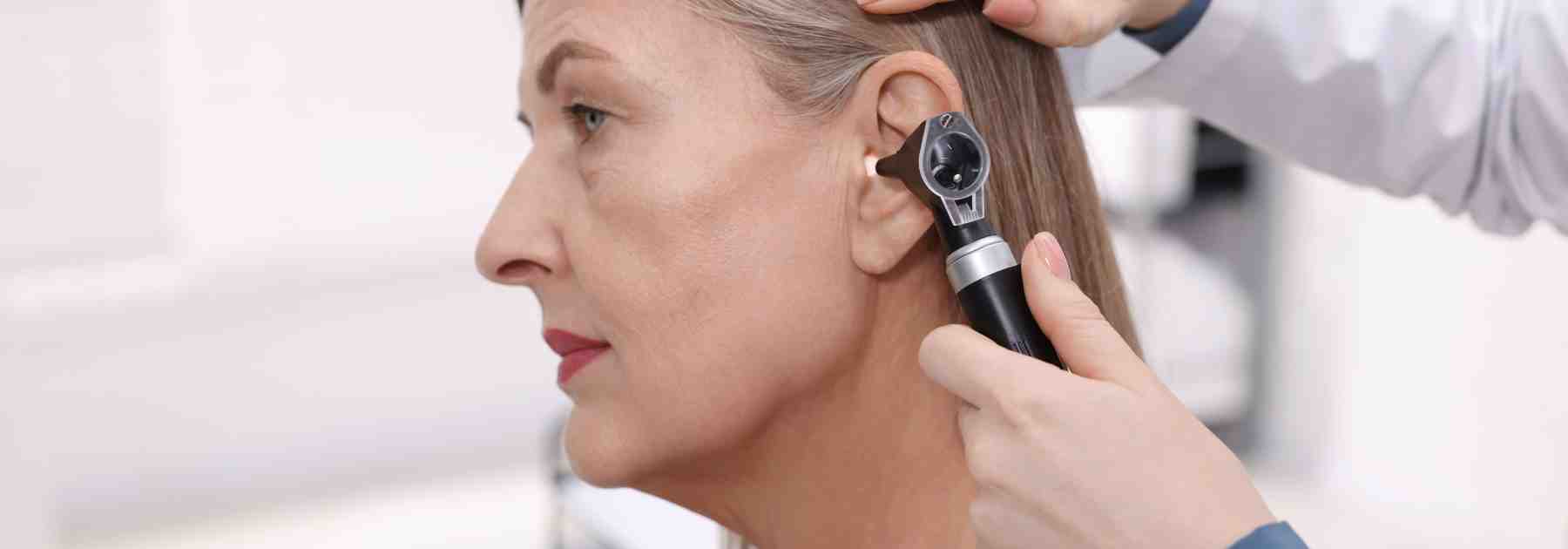
Microsuction is widely considered the safest and most effective method of professional earwax removal. A trained clinician uses gentle suction to remove wax without introducing water into the ear canal. It is suitable for most people, including those with a history of ear problems or perforated eardrums. Our team in Bradford can advise whether microsuction is appropriate for you.
✔ Try Irrigation If Recommended
Ear irrigation involves flushing the ear canal with warm water to dislodge wax. When carried out by a qualified professional, it can be effective. It is generally not suitable for people with a history of ear surgery, a perforated eardrum, or recurrent ear infections. This is where microsection is often a preferred method.
✔ Allow Time For Drops To Work
Ear drops often need to be used for several days before wax softens sufficiently. Following the instructions carefully and giving the drops time to work before seeking further treatment can make professional removal easier and more comfortable.
✔ Keep The Outer Ear Clean
Gently wiping the outer part of the ear with a warm flannel after a shower is perfectly safe and helps keep the visible area clean. This does not require inserting anything into the ear canal.
What To Avoid: Methods That Can Cause Harm
✗ Do Not Use Cotton Buds
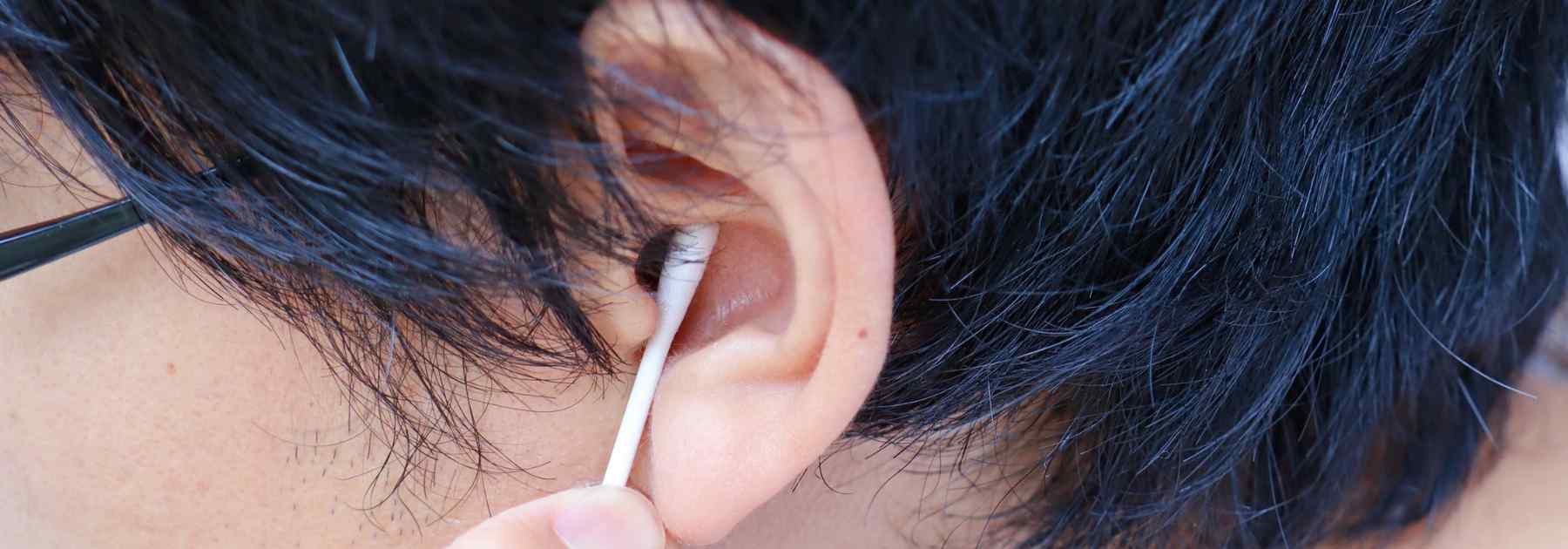
Cotton buds are one of the most common causes of ear canal injury and wax compaction. Rather than removing wax, they tend to push it further into the ear, making the blockage worse and potentially causing damage to the delicate skin of the ear canal or the eardrum.
✗ Avoid Ear Candling
Ear candling involves placing a hollow candle in the ear and lighting it. There is no clinical evidence that it effectively removes earwax, and it carries genuine risks including burns to the face, ear canal, and eardrum. It is not a method supported by healthcare professionals.
✗ Do Not Use Sharp Or Rigid Objects
Inserting anything rigid into the ear canal, including hairgrips, pens, or fingernails, risks perforating the eardrum or causing injury. No object should ever be inserted into the ear to dislodge wax.
✗ Avoid Self-Irrigating With Unregulated Devices
Some people attempt to irrigate their ears at home using syringes or high-pressure water. Without the correct equipment and training, this can result in infections, damage, or an incomplete removal that leaves wax further impacted.
✗ Do Not Ignore Symptoms
Leaving a significant build-up untreated can lead to ongoing hearing difficulty, tinnitus, ear pain, or dizziness. If symptoms persist after using ear drops for a week, it is worth seeking professional advice rather than continuing to manage it at home.
Earwax Removal Methods Compared
| Method | Safe? | Effective? | Suitable For Home Use? |
|---|---|---|---|
| Ear drops (olive oil / sodium bicarbonate) | ✔ Yes | ✔ Good for softening | ✔ Yes |
| Microsuction (professional) | ✔ Yes | ✔ Highly effective | ✗ Professional only |
| Ear irrigation (professional) | ✔ When appropriate | ✔ Effective | ✗ Professional only |
| Cotton buds | ✗ No | ✗ Can worsen blockage | ✗ Not recommended |
| Ear candling | ✗ No | ✗ No clinical evidence | ✗ Not recommended |
| Sharp objects | ✗ No | ✗ Dangerous | ✗ Never |
Frequently Asked Questions About Earwax Removal
Click on each individual question to get advice and guidance, direct from our clinical team to you:
➤ How do I know if my ear is blocked with wax?
Common signs of earwax build-up include a feeling of fullness in the ear, muffled or reduced hearing, mild earache, ringing in the ear (tinnitus), or an itching sensation. If you are experiencing any of these symptoms, it is worth seeking advice from a healthcare professional before attempting to remove the wax yourself.
➤ Can I use olive oil drops every day?
Olive oil ear drops are generally safe for regular short-term use when treating a build-up. Most guidance suggests using a few drops once or twice daily for up to two weeks. If symptoms do not improve within this time, professional removal is recommended. Always read the product instructions and consult a clinician if you are unsure.
➤ Is microsuction painful?
Microsuction is not typically painful. Most people find it causes mild discomfort or a strange sensation due to the noise of the suction device, but it is generally well tolerated. It is considered gentler than ear irrigation as it does not introduce water into the ear canal.
➤ How often does earwax need to be removed professionally?
This varies considerably between individuals. Some people require professional earwax removal once or twice a year, while others may need it less frequently. Regular use of hearing aids or earphones can increase the likelihood of build-up. A clinician can advise based on your individual circumstances.
➤ Can children have professional earwax removal?
Yes, children can experience earwax build-up too. However, the suitability of different removal methods will depend on the child’s age and individual circumstances. It is always best to seek professional advice rather than attempting removal at home in children.
➤ Is earwax removal available in Bradford?
Yes. Professional earwax removal is available at Midnight Pharmacy in Bradford. You can book an appointment online or get in touch with our team to find out more.
When To Seek Professional Help
Home treatments such as ear drops are appropriate for mild build-up, but there are situations where professional assessment is the right course of action.
You should seek professional advice if:
- ➤ Ear drops have not improved symptoms after one to two weeks
- ➤ You are experiencing ear pain, discharge, or sudden hearing loss
- ➤ You have a history of ear surgery or a perforated eardrum
- ➤ You wear a hearing aid and are noticing reduced performance
- ➤ You are experiencing dizziness alongside ear symptoms
Knowing what to do and what to avoid when removing earwax from the ear can protect your hearing and prevent unnecessary damage. For safe, professional earwax removal in Bradford, contact us today. You can call us, visit our team at 354 Great Horton Rd, Bradford, BD7 1QJ, or book an appointment online at a time that works for you.