

Best Ear Drops for Earwax Removal: Myths, Tips and When to Book Microsuction in Bradford
When it comes to earwax removal, many people turn to ear drops as a safe and effective first step. However, there are plenty of myths and misconceptions floating around online that can create unnecessary confusion, or even put people off using ear drops altogether. At our Bradford clinic, we hear these myths regularly, and we are here to clear the air and offer some reassurance about what ear drops can and cannot do.
In this article, we will debunk the most common myths about ear drops, explain how to find the best ear drops for removing earwax, and explore when a professional treatment such as microsuction might be the better choice. If you are already looking into the best ear drops for removing earwax, you have taken the first step towards better ear health, so let us dive into the facts.
What Causes Earwax Build-up?
Earwax, or cerumen, is a completely normal substance produced by glands in the ear canal to trap dust, protect the skin and keep the ear canal comfortable. In most people, small amounts naturally work their way out over time. Build-up tends to happen when the ear produces more wax than it can clear, or when something interferes with the ear’s normal self-cleaning process.
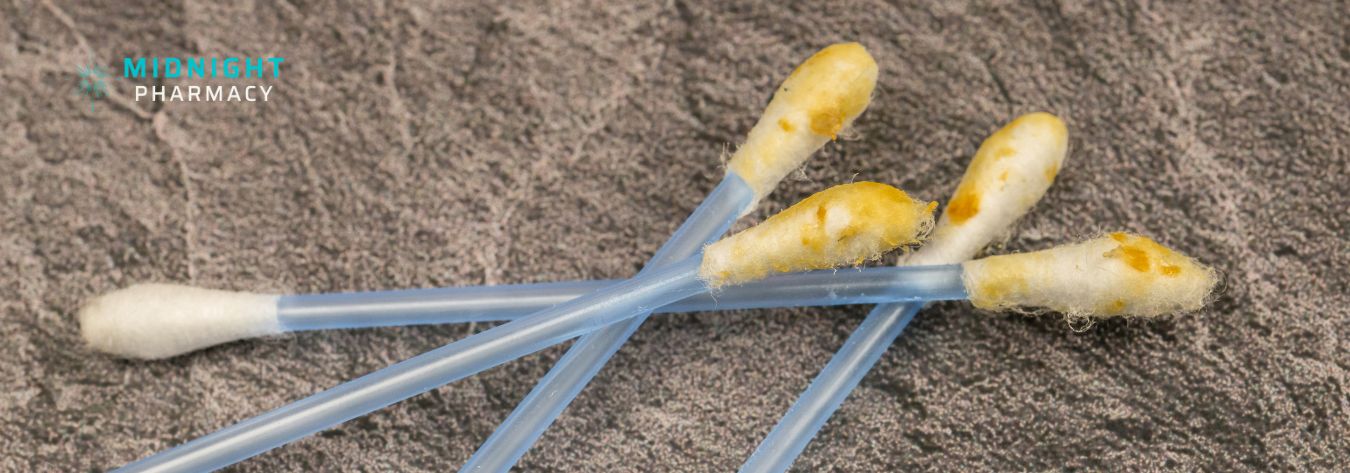
Common contributing factors include narrow or hairy ear canals, regular use of earphones or hearing aids, and, ironically, frequent use of cotton buds, which push wax back towards the eardrum rather than removing it. Some people are also simply more prone to producing harder or more compact wax than others, which is why the same routine does not work equally well for everyone.
Signs You May Have Earwax Build-up
It is not always obvious that build-up is the cause of a symptom, particularly if it develops gradually. Common signs include:
- ➤ A feeling of fullness or blockage in one or both ears
- ➤ Muffled or reduced hearing that comes on gradually
- ➤ Mild earache or an itching sensation in the ear canal
- ➤ Tinnitus, or a ringing sound, in some cases
- ➤ Dizziness, though this is less common and should always be checked professionally if it occurs
If any of these symptoms sound familiar, starting with the best ear drops for removing earwax is often a sensible first step, with a professional appointment as the next option if things do not improve.
What Ear Drops Can Do
Ear drops are an excellent first-line option for softening and loosening earwax, making it easier for the ear to clear naturally or for a professional to remove it comfortably. They are particularly effective at:
- ➤ Breaking down hard wax, with ingredients like hydrogen peroxide or sodium bicarbonate helping to dissolve wax build-up
- ➤ Soothing discomfort, as some ear drops include oils that reduce irritation or dryness in the ear canal
- ➤ Preventing blockages, since regular use can help maintain ear health and stop wax accumulating to problematic levels
By softening the wax, ear drops help it move along the ear’s own self-cleaning process, allowing debris to make its way towards the outer ear naturally. This gradual process is usually far gentler on the ear canal than more forceful methods such as syringing, which is one reason drops remain a popular first choice for mild to moderate build-up.
How to Use Ear Drops Properly
- Tilt your head or lie on your side with the affected ear facing upward
- Use the recommended number of drops, usually two to three, as directed on the packaging
- Stay in the same position for a few minutes to give the drops time to reach the wax
- Avoid using cotton buds afterwards, as these can push wax deeper and worsen the blockage
If ear drops do not seem to be working after several applications, it is worth considering a professional cleaning method such as microsuction rather than persisting with drops alone.
Myth 1: Ear Drops Push Wax Further In
One of the most common misconceptions is that using ear drops will push earwax deeper into the canal, worsening the blockage. In reality, ear drops are designed to break wax down, not move it around. When applied correctly, the drops coat the wax and soften it, allowing it to shift naturally towards the outer ear where it is far easier to remove.
Myth 2: All Ear Drops Work the Same
Another common myth is that any ear drop will do the job. While many ear drops aim to clear wax build-up, not all are created equal, and some are better suited to specific situations than others.
| Ear Drop Type | Best Suited To |
|---|---|
| Sodium bicarbonate or hydrogen peroxide drops | Hard or compact wax |
| Olive oil-based drops | Sensitive skin, irritation or eczema in the ear canal |
| Softening drops used regularly | Preventing chronic or recurring wax build-up |
At our Bradford pharmacy, we stock a range of the best ear drops for removing earwax, and our team can recommend the right product for your specific needs. If you are still unsure, our ear wax removal kit blog offers a deeper dive into the safety aspects of at home removal vs clinical options.
Myth 3: Ear Drops Can Replace Professional Treatments
Ear drops are an effective at-home solution for many people, but they are not always enough to clear severe blockages or heavily impacted wax. In cases where ear drops alone do not resolve the issue, a professional treatment such as microsuction may be necessary to finish the job safely.
When to Consider Microsuction
Microsuction is a safe, precise and effective method for removing stubborn or impacted earwax. Unlike irrigation, which uses water to flush wax out, microsuction uses a small suction device alongside a microscope to gently extract the wax without the risk of damage to the ear canal or eardrum carried by other methods. If you are unsure what the procedure actually feels like, our guide on whether ear microsuction hurts covers this in detail.
Microsuction is often worth considering when:
- ➤ Severe blockages mean ear drops alone cannot soften or loosen the wax
- ➤ You experience recurring earwax build-up despite regular preventative care
- ➤ Discomfort or hearing loss means you need faster relief than drops can provide
- ➤ You have a perforated eardrum or particularly sensitive ears and would prefer to avoid other removal methods
At our Bradford ear wax removal clinic, we offer professional microsuction services alongside a full range of ear care products, and our trained specialists ensure every procedure is safe, comfortable and effective.
Ear Drops vs Microsuction
| Approach | Best For | Typical Timeframe |
|---|---|---|
| Ear drops | Mild to moderate wax build-up, ongoing prevention | Several days of regular use |
| Microsuction | Severe, impacted or recurring blockages | Single in-clinic appointment |
Myth 4: Ear Drops Are Harmful to Use Regularly
Some people worry that using ear drops too often can damage the ear or create a dependency. In truth, ear drops are safe when used as directed, and regular use of softening drops such as olive oil can even help prevent wax build-up over time rather than cause harm.
That said, if you find yourself needing ear drops frequently just to stay comfortable, this can sometimes point to an underlying issue, and a professional evaluation is a sensible next step rather than continuing to self-manage indefinitely.
Tips for Maintaining Healthy Ears
- ➤ Use ear drops as preventative care by applying a few drops of olive oil or a similar product every couple of weeks to keep wax soft and manageable
- ➤ Avoid cotton buds, as these can push wax deeper and cause blockages or irritation rather than clearing it
- ➤ Stay hydrated, as this supports overall ear and skin health
- ➤ Seek professional help when needed, rather than persisting with drops that are not working
A Simple At-Home Removal Routine
If you would like a clear, step-by-step approach to managing earwax at home before booking an appointment, our step-by-step earwax removal guide walks through the process from start to finish, including how to know when it is time to stop self-treating and book a professional appointment instead. Following a consistent routine, rather than reaching for drops only when a blockage becomes uncomfortable, tends to give the best long-term results.
Why Choose Our Bradford Clinic for Ear Care?
We are passionate about helping you maintain healthy ears with expert advice and quality products. Whether you are looking for the best ear drops for removing earwax or need professional microsuction services, our Bradford team can help.
- ➤ A wide range of ear care products, including drops tailored to different needs
- ➤ Expert advice from trained staff to guide your ear care routine
- ➤ Professional microsuction services if drops alone are not enough
- ➤ Friendly, unhurried appointments at our Bradford clinic
Frequently Asked Questions
Can ear drops push wax further into my ear?
No. Ear drops are designed to soften and break down wax rather than move it deeper, provided they are used correctly.
How long does it take for ear drops to work?
This varies, but most people need several days of consistent use before wax softens enough to clear naturally or be removed professionally.
Is it safe to use ear drops every day?
Occasional, directed use is generally safe. If you feel you need drops daily just to stay comfortable, it is worth having your ears checked professionally.
What is the difference between ear drops and microsuction?
Ear drops soften wax gradually at home, while microsuction is a professional, in-clinic method for removing more stubborn or impacted wax quickly.
Does microsuction hurt?
Most people find it comfortable rather than painful. Our guide on whether ear microsuction hurts explains what to expect in more detail.
Can I use cotton buds alongside ear drops?
We would not recommend this. Cotton buds can push wax deeper into the canal and increase the risk of a blockage rather than clearing it.
Do I need a referral to book microsuction?
No referral is needed. You can book directly with our Bradford clinic.
What if my ears block up again after treatment?
This is common for some people. Ongoing use of preventative ear drops, alongside periodic check-ups, can help reduce how often blockages return.
Why do some people get more earwax build-up than others?
Ear canal shape, earphone or hearing aid use, and how much wax your glands naturally produce can all play a part, which is why some people need drops more often than others.
Can earwax build-up cause dizziness?
It can in some cases, though this is less common. If you experience dizziness alongside a blocked feeling, it is best to have your ears checked professionally rather than assuming it is only wax.
Trusted Ear Care in Bradford
Ear drops are a safe and effective way to manage earwax, but they are not a one-size-fits-all solution. Understanding their benefits, proper use and limitations can help you make informed decisions about your ear health. If you are still struggling with earwax build-up despite using the best ear drops for removing earwax, a professional treatment such as microsuction can provide a reliable alternative.
Contact our Bradford team today for personalised advice, trusted ear care products and expert services to keep your ears healthy all year round. You can call us or drop in at 354 Great Horton Rd, Bradford, BD7 1QJ, or book your appointment online.