

How to Open a Blocked Ear at Home: 5 Safe Techniques That Really Work
At our Bradford pharmacy, we know how frustrating a blocked ear can be. Whether it is caused by a build-up of earwax, a cold, or changes in air pressure, that sensation of muffled hearing or pressure in the ear can affect your comfort, focus and even your balance.
If you are looking for safe and simple advice on how to open a blocked ear at home, we are here to help. While nothing replaces professional care when it is needed, there are a few gentle techniques worth trying first:
- ➤ Steam inhalation
- ➤ The Valsalva Manoeuvre
- ➤ Warm compress
- ➤ Olive oil or ear drops
- ➤ Tilting to remove excess water
These methods can help ease mild blockage, but if symptoms persist, our in-pharmacy microsuction earwax removal service is fast, safe and highly effective.
Here are five techniques to try at home, along with clear steps, advice on what to avoid, and guidance from our team on when it is time to book a professional appointment.
Why Do Ears Become Blocked?
A blocked feeling in the ear usually comes down to one of a few causes: a build-up of earwax, fluid or pressure changes affecting the Eustachian tube, trapped water, or congestion from a cold or sinus infection. The Eustachian tube normally equalises pressure between the middle ear and the outside environment, and when it becomes blocked or swollen, sound can feel muffled and the ear may feel full or achy.
Identifying the likely cause helps decide which home technique is worth trying first, though several of the methods below overlap in what they help with.
Could It Be More Than Just Wax?
Not every blocked ear is caused by wax. Colds, sinus infections, allergies and changes in air pressure can all cause a similar feeling of fullness, which is why identifying the likely cause helps you choose the right home remedy to try first. A blockage that comes on suddenly after a flight or a swim, for example, often responds well to pressure equalising or draining techniques, while a gradual build-up of muffled hearing over several weeks is more likely to be wax related.
If you are ever unsure which is more likely, our pharmacy team can usually tell the difference during a quick look with an otoscope, which helps avoid guessing at home remedies that are unlikely to help.
1. Try the Valsalva Manoeuvre (Swallowing or Gentle Blowing)
If your ears feel blocked due to a recent flight, changes in altitude, or a lingering cold, you may simply need to equalise the pressure in your middle ear.
How to try it:
- ➤ Close your mouth and pinch your nose shut
- ➤ Take a deep breath and gently blow as if you are blowing your nose
- ➤ You should feel or hear a “pop” as your Eustachian tubes open
Important: Never blow too hard, as this can damage the eardrum. This technique works best when done gently, and may be more effective if followed by yawning or swallowing.

2. Use Steam Inhalation
Steam can help soften thick mucus or loosen earwax that may be contributing to the blockage. It is also helpful if your ears feel blocked due to a cold or sinus congestion.
How to do it:
- ➤ Boil water and pour it into a bowl
- ➤ Place a towel over your head and lean over the bowl to trap the steam
- ➤ Inhale deeply through your nose for 10 to 15 minutes
This can also be done during a warm shower. For added relief, you can add menthol or eucalyptus to the water, but only if you are not sensitive to strong scents.
3. Apply a Warm Compress
If your blocked ear feels uncomfortable or achy, a warm compress can help by improving blood flow and softening wax.
Instructions:
- ➤ Soak a clean cloth in warm, not hot, water
- ➤ Wring out excess water and hold the cloth against the affected ear for 5 to 10 minutes
- ➤ Repeat as needed throughout the day
This method is safe and soothing, especially for children or those who prefer a gentler approach.
4. Use Olive Oil or Ear Drops
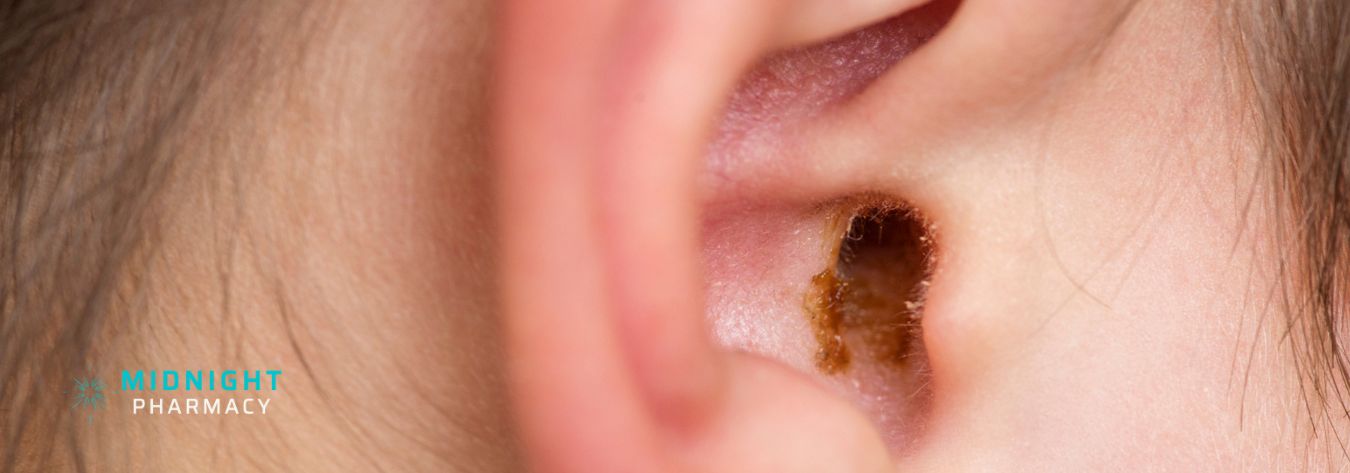
For wax-related blockages, softening the wax with olive oil or pharmacy-recommended ear drops is often the first step. This will not remove the wax immediately, but it may allow it to move naturally or make it easier to extract during a professional procedure such as microsuction.
How to apply:
- ➤ Lie on your side with the affected ear facing up
- ➤ Using a clean dropper, place two to three drops of olive oil or ear drops into the ear canal
- ➤ Stay lying down for a few minutes, then wipe away any excess oil
- ➤ Repeat once or twice daily for three to five days
Avoid this method if you have a history of ear infections, a perforated eardrum, or persistent pain without a clear cause. If you are unsure, speak to our pharmacy team for guidance before starting.
5. Tilt and Drain for Trapped Water
If your ear feels blocked after swimming or bathing, water may be trapped inside the canal. This can usually be resolved with a simple draining technique.
Try this:
- ➤ Tilt your head to the side and gently tug on your earlobe
- ➤ Hop or shake your head gently to encourage the water to drain
- ➤ You can also lie on your side for several minutes with the blocked ear facing downward
Dry the outside of your ear with a soft towel afterwards. If water remains trapped for more than a day, it is worth seeking advice to avoid infection.
What Not to Do at Home
Just as important as knowing what helps is knowing what to avoid, since some popular online suggestions can make things worse rather than better. Two methods that come up often are worth addressing directly:
Ear candling. Despite its popularity on social media, we would strongly advise against ear candling. There is no reliable evidence that it removes earwax, and it carries a genuine risk of burns to the face and ear, as well as wax or candle residue being pushed further into the canal rather than drawn out.
Cotton buds. These are one of the most common causes of blockages we see, as they tend to push wax deeper into the ear canal rather than removing it, sometimes compacting it against the eardrum.
Home Ear Irrigation Kits vs Professional Microsuction
Some people turn to an at-home ear irrigation kit as a next step when drops alone are not enough. While these kits can help in some mild cases, we generally favour professional microsuction, as it does not introduce water into the ear canal and carries a lower risk of infection or discomfort, particularly for anyone with a history of ear problems.
| Method | How It Works | Considerations |
|---|---|---|
| Home irrigation kit | Uses water pressure to flush wax out | Not suitable if you have a perforated eardrum or history of ear infections |
| Professional microsuction | Uses gentle suction under direct vision | No water involved, precise, suitable for most ear conditions |
When Home Remedies Do Not Work
While these techniques can help ease temporary discomfort, they may not fully resolve blockages caused by hardened wax or an underlying issue. If your ear remains blocked for more than a few days, or if you experience hearing loss, pain, dizziness, or ringing in the ears, it is time to seek professional care. If you are experiencing persistent ringing alongside a blocked feeling, it is worth reading our guide on whether earwax can cause tinnitus, and seeking professional support rather than waiting for it to pass on its own.
At our Bradford earwax clinic, we offer expert microsuction earwax removal in a clean, safe and professional setting. Unlike syringing or irrigation, microsuction uses gentle suction to remove wax without introducing moisture into the ear. It is quick, precise, and usually provides immediate relief.
Book Your Microsuction Appointment Today
Do not let a blocked ear ruin your day or linger longer than it needs to. If you have been searching how to open a blocked ear at home and the methods have not worked, our Bradford microsuction team is here to help.
We offer:
- ➤ Professional ear assessments
- ➤ Same-day or next-day microsuction appointments
- ➤ Advice on aftercare and preventing future blockages
Preventing Future Blockages
Once your ears feel clear again, a few simple habits can help reduce how often blockages return, particularly if you have had repeated issues in the past:
- Use olive oil drops every couple of weeks if you are prone to wax build-up
- Avoid inserting cotton buds or any object into the ear canal
- Dry your ears thoroughly after swimming or bathing
- Book a check-up if you notice symptoms returning within a few weeks of your last appointment
Frequently Asked Questions
How long should I try home remedies before seeing a professional?
If your ear remains blocked for more than a few days despite trying these methods, it is best to book a professional assessment.
Is ear candling safe to try at home?
No. There is no reliable evidence it removes wax, and it carries a real risk of burns and further blockage.
Are home irrigation kits as effective as microsuction?
They can help in mild cases, but microsuction is generally safer and more precise, as it avoids introducing water into the ear canal.
Can a blocked ear cause dizziness?
Yes, in some cases, particularly if the blockage affects the inner ear or balance system. Persistent dizziness should always be assessed professionally.
Can earwax cause tinnitus?
It can contribute to it in some people. If you notice ringing alongside a blocked feeling, it is worth having your ears checked rather than waiting.
Is it safe to use olive oil drops every day?
Occasional use is generally safe, though daily long-term use should be discussed with our team if you are unsure.
Do I need a referral for microsuction?
No referral is needed. You can book directly with our Bradford clinic.
What should I avoid after having wax removed?
Avoid inserting cotton buds or objects into the ear canal, and keep the ear dry for a day or so if advised by our team.
How can I tell if my blocked ear is wax or something else?
A gradual build-up of muffled hearing often points to wax, while a sudden blockage after flying or swimming is more likely pressure or trapped water. Our team can confirm this quickly with a look inside the ear.
Can allergies cause a blocked ear feeling?
Yes. Allergies and sinus congestion can affect the Eustachian tube in a similar way to a cold, leading to a similar sensation of fullness or pressure.
Clear, Comfortable Ears Are Within Reach
Visit us in-store or contact us today to book your microsuction consultation in Bradford. You can also call us or drop in at 354 Great Horton Rd, Bradford, BD7 1QJ. We will have your ears feeling clear and comfortable again in no time.