
How to Remove Skin Tags: Debunking Myths and Choosing Safer Solutions
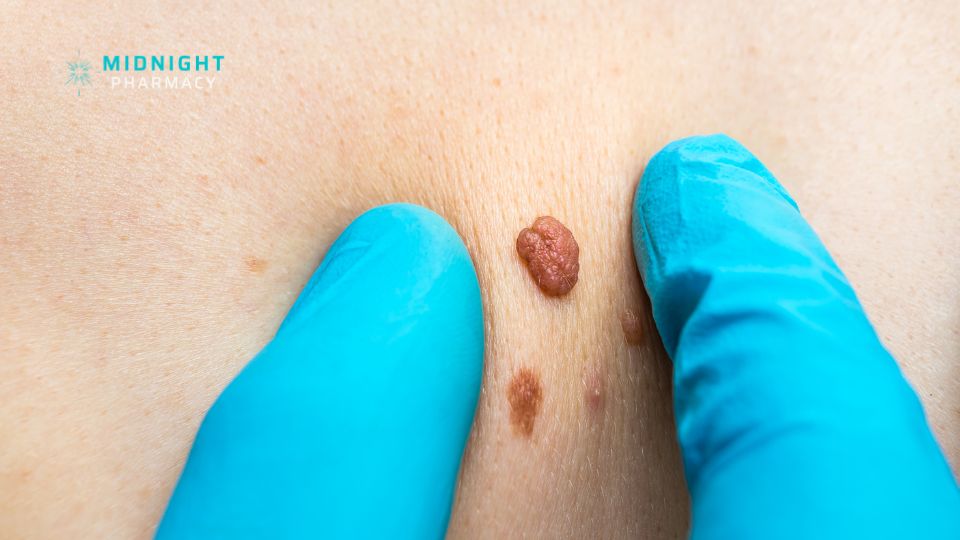
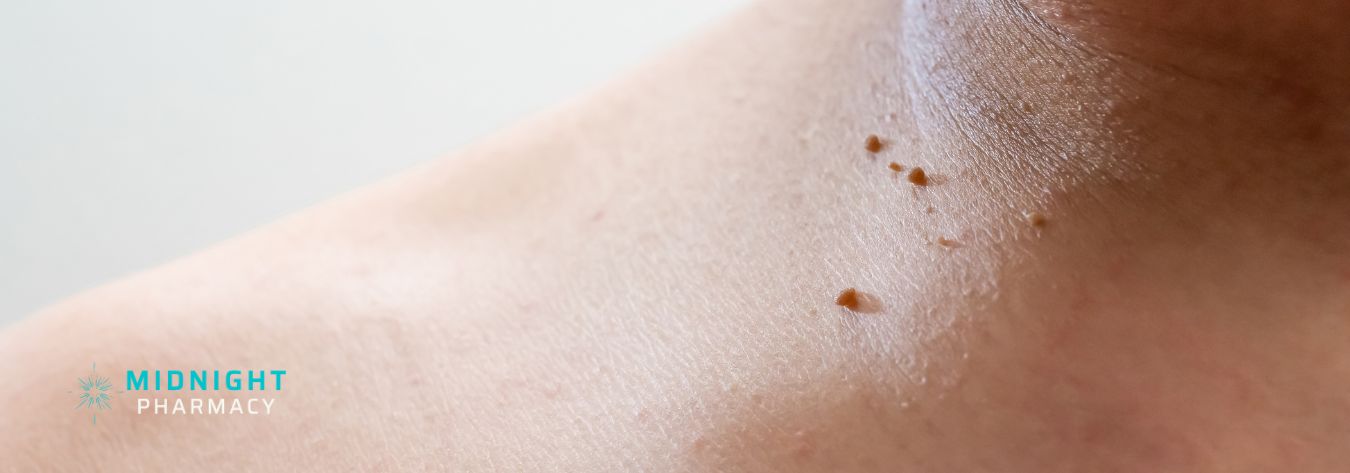
Skin tags are small, harmless growths of skin that often appear on the neck, underarms, eyelids, or areas where skin rubs together. They are medically harmless, but many people choose to have them removed for cosmetic reasons, or simply because they catch on clothing or jewellery. When it comes to removal, however, not every method is safe or effective.
At our Bradford clinic, we hear about every DIY method going, including the increasingly common search: how to remove skin tags in one night with toothpaste. It might sound like a clever trick, but the reality is that many of these home remedies are based on myths rather than medical advice, and in some cases they can do more harm than good. If you would like to understand how a professional service compares to home methods, our guide on removing skin tags at home is a useful place to start.
In this blog, we will explore the most common skin tag removal myths, explain what not to do, and outline the safer, professional skin tag removal services available at our Bradford clinic. Read on to learn more. Alternatively, reach out or book for skincare support.
What Causes Skin Tags?
Skin tags, medically known as acrochordons, form when small clusters of collagen and blood vessels become trapped inside thicker bits of skin. They are extremely common, and most people will develop at least one at some point in their life. Friction is one of the biggest contributing factors, which is why they so often appear in places where skin rubs against skin or clothing, such as:
- ➤ The neck
- ➤ Underarms
- ➤ Eyelids
- ➤ Skin folds
Other factors linked to skin tag development include weight gain, pregnancy, insulin resistance and simply getting older, as skin naturally loses some of its elasticity over time. They are not contagious and are not usually linked to any other health condition, though a sudden increase in the number of skin tags is sometimes worth mentioning to a doctor, as it can occasionally be associated with underlying conditions such as type 2 diabetes.
Myth: You Can Remove Skin Tags in One Night with Toothpaste
Let us start with one of the most viral misconceptions doing the rounds online: using toothpaste to remove skin tags overnight. This home remedy suggests that applying toothpaste, often the minty, whitening variety, can somehow dry out and shrink a skin tag while you sleep.
The truth is that there is no medical evidence to support this claim. Toothpaste is formulated for teeth, not skin. It contains ingredients such as fluoride, hydrogen peroxide and baking soda, which can irritate or even burn delicate skin, particularly on sensitive areas like the neck or face.
Instead of removing the skin tag, you are far more likely to cause redness, inflammation or a rash. In some cases, this irritation can lead to infection or scarring, which entirely defeats the purpose of cosmetic removal. Skin tags do not need to be removed for medical reasons, and any removal should be done using a recognised method rather than a household product never designed for use on skin.
So if you are tempted to try how to remove skin tags in one night with toothpaste, our advice is simple: do not. It is a myth, and a potentially harmful one at that.
Other Home Remedies That Do Not Work (and Can Be Risky)
There are plenty of other DIY methods that sound appealing online but fall well short of being safe or effective. These include:
1. Cutting It Off Yourself
Using scissors or nail clippers to snip off a skin tag might seem like a quick fix, but it carries real risk. Without proper sterilisation and technique, you risk excessive bleeding, infection and permanent scarring, particularly on thin or sensitive skin.
2. Tying It with Thread or Dental Floss
This method involves tying off the base of the skin tag to cut off its blood supply. While it can sometimes work, it typically takes several days, is uncomfortable throughout, and can cause pain, swelling or infection if the thread is not applied correctly or kept clean.
3. Apple Cider Vinegar or Garlic
Both are highly acidic and are often suggested online as a way to “burn” the tag off. These substances can damage the surrounding skin, leading to chemical burns and hyperpigmentation, especially for people with darker skin tones, where the marks left behind can take considerably longer to fade.
The bottom line is that if you are unsure how to safely remove a skin tag, it is always best to consult a medical professional rather than experiment with kitchen cupboard ingredients.
4. Nail Polish or Superglue
Some online guides suggest sealing a skin tag with nail polish or superglue to “suffocate” it. Neither product is intended for use on skin, and both can cause an allergic reaction or contact dermatitis, particularly if left in place for several days as suggested.
5. Over-the-Counter Wart Removal Products
Wart removal treatments are designed to work on a different type of skin growth caused by a virus, not on skin tags. Using them on a skin tag can cause unnecessary burning and irritation without actually removing the tag, since the two are treated very differently in clinical practice.
A Quick Comparison of Common DIY Methods
| Method | Common Risk | Our Advice |
|---|---|---|
| Toothpaste overnight | Skin irritation, chemical burns | Avoid |
| Cutting with scissors | Bleeding, infection, scarring | Avoid |
| Tying with thread or floss | Pain, swelling, infection | Avoid unless supervised clinically |
| Apple cider vinegar or garlic | Chemical burns, hyperpigmentation | Avoid |
| Nail polish or superglue | Allergic reaction, contact dermatitis | Avoid |
| Wart removal products | Burning, irritation, no effect on the tag | Avoid |
Medically Recommended Methods for Skin Tag Removal
There are several safe and effective ways to remove skin tags, most of which are quick, minimally invasive and result in little to no downtime. At our Bradford skin tag removal clinic, we offer clinically approved services delivered by trained professionals in a clean, private setting. These include:
1. Cryotherapy
This involves freezing the skin tag using liquid nitrogen. The tag usually falls off within a few days. It is a quick, low-risk treatment with minimal discomfort, and is often the first option we discuss for smaller or more accessible tags.
2. Cauterisation
A small electrical current is used to burn off the skin tag. This method seals the blood vessels as it removes the tag, reducing the risk of bleeding and making it a good option for tags in areas prone to knocks or friction.
3. Excision
This involves cutting off the tag with a sterile scalpel or surgical scissors. It is typically used for larger or more stubborn tags and is performed under local anaesthetic to keep the procedure comfortable.
4. Ligation
In a clinical setting, tying off the base of the tag with a sterile tool can be done safely under supervision, allowing the tag to fall off naturally over the following days.
Our team will assess the location, size and number of skin tags before recommending the most suitable method for your needs and skin type.
Comparing Professional Removal Methods
| Method | Typical Downtime | Best Suited To |
|---|---|---|
| Cryotherapy | None to minimal | Small, accessible tags |
| Cauterisation | Minimal | Tags in areas prone to friction |
| Excision | Short healing period | Larger or stubborn tags |
| Ligation | A few days for the tag to fall away | Tags with a narrow base |
Why Choose Our Bradford Clinic for Skin Tag Removal?
We understand that skin tags can be irritating or affect confidence, whether they catch on necklaces, straps or clothing. Our discreet, professional service offers:
- ➤ Free consultations to assess your skin concerns
- ➤ Medically approved techniques with minimal risk
- ➤ Expert advice on aftercare and skin health
- ➤ Same-day appointments available at select times
Unlike home remedies, our treatments are safe, fast and effective, with no need for guesswork or risky experiments. Get in touch if you have any questions or concerns before booking.

Aftercare Following Skin Tag Removal
Whichever method is used, proper aftercare helps the area heal cleanly and reduces the chance of infection or scarring. As a general guide:
- Keep the treated area clean and dry for the first 24 to 48 hours
- Avoid picking at any scab or crust that forms while healing
- Apply a plaster or dressing if the area is in a spot prone to rubbing, such as underarms or the neckline
- Avoid direct sun exposure on the area until it has fully healed
- Contact us if you notice increasing redness, swelling or discharge, as this could indicate infection
Most people find the treated area heals within a week or two, with little to no visible mark left behind once healing is complete.
Frequently Asked Questions
Can toothpaste really remove a skin tag overnight?
No. There is no medical evidence that toothpaste removes skin tags, and it can irritate or burn the surrounding skin instead.
Is it safe to cut off a skin tag myself?
No. Without sterile equipment and proper technique, this carries a real risk of bleeding, infection and scarring.
Does removing a skin tag hurt?
Most professional methods involve minimal discomfort, and treatments such as excision are carried out under local anaesthetic to keep you comfortable.
Will a skin tag grow back after removal?
Once removed, that specific skin tag will not grow back, although new skin tags can develop elsewhere over time, particularly in areas of friction.
How many skin tags can be removed in one appointment?
This depends on their size, number and location. Our team will assess this during your consultation and advise what is appropriate.
Do I need a referral to book a skin tag removal appointment?
No referral is needed. You can book directly with our Bradford clinic.
Are there any skin tags that should not be removed at home under any circumstances?
Yes. Any tag that is bleeding, changing shape or colour, or causing concern should be assessed by a professional rather than treated at home.
Can skin tags be a sign of a health condition?
Occasionally, a noticeable increase in skin tags has been linked to conditions such as insulin resistance. If you notice a sudden change, it is worth mentioning to your GP alongside any cosmetic removal.
Will my skin tag leave a scar once removed?
Professional methods are designed to minimise scarring, and most people are left with little to no visible mark once the area has fully healed.
Leave the Toothpaste for Your Teeth
While the idea of how to remove skin tags in one night with toothpaste might be tempting, the risks simply are not worth it. Skin is delicate, and treating it with care should always come before a quick fix.
If you are considering skin tag removal, trust the professionals. Book a consultation with our Bradford team today, and we will help you say goodbye to unwanted skin tags the safe and effective way.