
How to Remove Skin Tags at Home: Why DIY Cutting Is Risky
At our Bradford pharmacy, we often get asked about how to remove skin tags at home. With the amount of advice circulating online, it is understandable that people want to try home methods for quick results, particularly when a tag is small and seems easy enough to deal with. However, one of the most concerning trends we see is the idea that skin tags can simply be cut off at home using scissors, nail clippers, or thread.
While this might sound like a fast fix, it carries significant risks. As a trusted provider of skin tag removal in Bradford, we want to explain why cutting off a skin tag at home is not safe, and what the safer, more effective alternatives are.
Quick Answer
No, it is not safe to cut off a skin tag at home with scissors, clippers or thread. Skin tags contain blood vessels and nerve endings, so DIY removal can cause bleeding, infection, scarring or pain. It can also risk misidentifying a different type of skin lesion. Professional removal methods, such as cryotherapy or cauterisation, are quick, safe and performed after a proper skin assessment.
What Are Skin Tags?
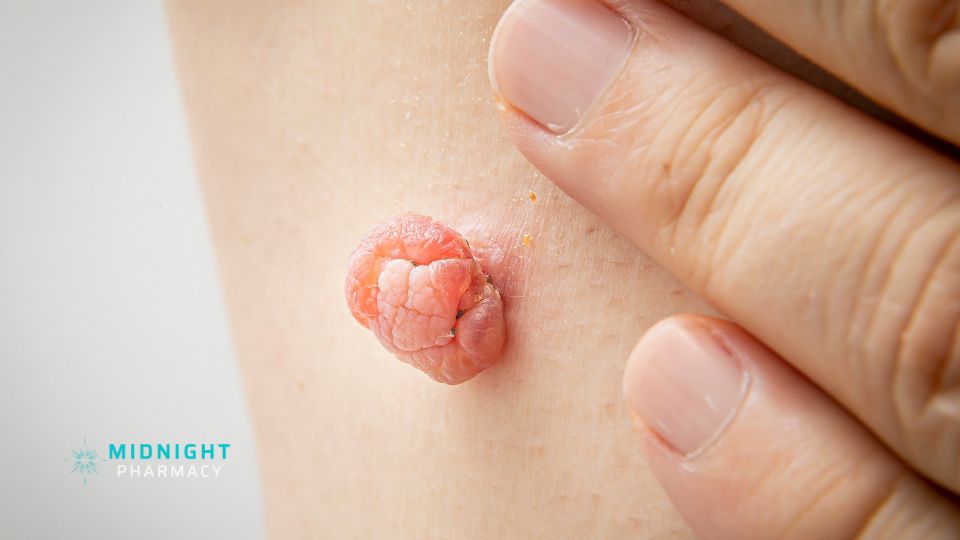
Skin tags are small, soft, flesh-coloured growths that hang off the skin. They are non-cancerous and typically found on the neck, underarms, eyelids, under the breasts, or around the groin. While harmless, many people choose to have them removed for cosmetic reasons or because the tags become irritated by clothing or jewellery.
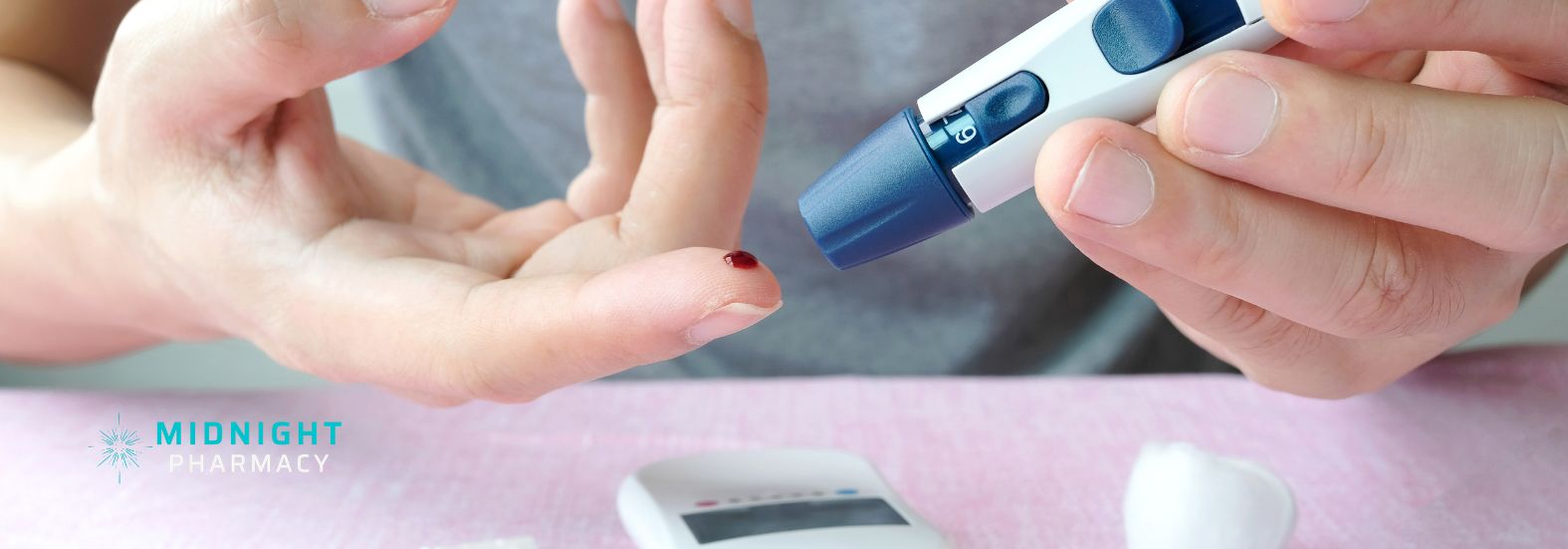
They are more common in older adults, those who are overweight, and individuals with diabetes. Skin tags are also associated with friction, so they often appear in skin folds or wherever the skin rubs against itself or clothing.
What Causes Skin Tags?
Skin tags, medically known as acrochordons, form when small clusters of collagen and blood vessels become trapped inside thicker areas of skin. Friction is one of the main contributing factors, which is why they so often appear where skin rubs against skin or clothing, such as the neck, underarms, eyelids and skin folds.
Other factors linked to skin tag development include weight gain, pregnancy, insulin resistance and simply getting older, as skin naturally loses some elasticity over time. They are not contagious and are not usually linked to any serious underlying condition, though a sudden increase in the number of skin tags is sometimes worth mentioning to your GP, as it can occasionally be associated with conditions such as type 2 diabetes.
Common Locations for Skin Tags and Why
Skin tags tend to cluster in predictable areas because of how skin moves and rubs against itself or clothing throughout the day. Common locations include:
- ➤ The neck, particularly where necklaces or collars sit
- ➤ The underarms, due to constant friction from arm movement
- ➤ The eyelids, where skin is thin and delicate
- ➤ Skin folds under the breasts or around the groin, where moisture and friction combine
Understanding why a tag has appeared where it has can help inform the most suitable removal method, particularly for tags in more delicate areas such as the eyelids.
Myth: “You Can Just Snip Off a Skin Tag at Home”
This is one of the most persistent and dangerous myths we come across. While it may seem simple to cut off a skin tag with scissors or clippers, doing so without proper technique, sterile tools, or clinical guidance can lead to complications.
People assume that because skin tags are small and soft, they do not have any blood supply or nerve endings. In reality, skin tags do contain blood vessels, and cutting one off can result in bleeding, pain, or even infection. If the area is not properly disinfected, or if the wound is not cleaned and monitored, bacteria can enter the skin and cause further issues. Even a seemingly minor cut can become a source of ongoing discomfort if it does not heal cleanly.
In some cases, what appears to be a skin tag could be another type of skin lesion entirely. Without a proper assessment, there is a risk of misidentifying something more serious, such as a wart, mole, or other growth that requires professional evaluation rather than home treatment.
The Risks of DIY Skin Tag Removal
Trying to remove skin tags at home using sharp objects or tying them off with string can result in a number of unwanted complications:
- ➤ Bleeding: Skin tags have blood vessels, and cutting one may cause unexpected bleeding that is difficult to control
- ➤ Infection: Using unsterilised tools or leaving an open wound unattended can lead to bacterial infection
- ➤ Pain and scarring: Self-removal can be painful, especially if done incorrectly, and may result in scarring or damage to the surrounding skin
- ➤ Misdiagnosis: Not every growth is a skin tag. Attempting to remove something that has not been properly identified can delay necessary treatment
These risks make it clear why we strongly advise against attempting to remove skin tags at home with scissors or other tools. Even when a removal appears to go smoothly at first, delayed complications such as infection can develop over the following days, sometimes requiring more involved treatment than would have been needed with a straightforward professional procedure from the outset. It is always better to book a quick consultation than to deal with an unexpected complication afterwards.
DIY Methods vs Professional Removal
| Approach | Main Risk | Our Advice |
|---|---|---|
| Cutting with scissors or clippers | Bleeding, infection, scarring | Avoid |
| Tying off with thread or string | Pain, swelling, infection if unsupervised | Avoid unless clinically guided |
| Professional cryotherapy or cauterisation | Minimal, when performed by trained staff | Recommended |
How to Choose the Right Removal Method for Your Skin Tag
Not every skin tag suits the same treatment. The size, location and number of tags all influence which approach our team is likely to recommend:
- ➤ Cryotherapy tends to suit smaller, more accessible tags where freezing can be applied precisely
- ➤ Cauterisation is often chosen for tags in areas prone to friction, since it seals the area as it removes the tag
- ➤ Delicate areas, such as around the eyelids, may need a more cautious approach with extra care taken during assessment
- ➤ Multiple tags in one area may be assessed together to plan the most efficient appointment
Rather than choosing a method yourself based on online research, a proper in-person assessment ensures the approach used actually suits your specific skin tags rather than being a generic, one-size-fits-all choice.
What to Do Instead
If you are considering how to remove skin tags at home, it is important to first understand the difference between home management and clinical care. While some over-the-counter treatments can help with skin tag softening or reduction, results are often slow, and not all skin tags will respond effectively.
At our Bradford pharmacy, we offer safe and professional skin tag removal using appropriate clinical methods. These may include:
- ➤ Cryotherapy, which freezes the skin tag so it falls away naturally over a few days
- ➤ Cauterisation, which uses a small electrical current to remove the tag and seal the area as it goes
- ➤ Other non-invasive techniques, chosen based on the size, number and location of your skin tags
Each method is performed in a clean, controlled environment by trained professionals. Before any procedure, we carry out a proper skin assessment to confirm that the lesion is, in fact, a skin tag, and that it is safe to remove. You will also receive aftercare advice to help your skin heal without complications.
Is Skin Tag Removal Ever a Medical Necessity Rather Than Cosmetic?
Most people choose to have skin tags removed for cosmetic reasons, or because a tag repeatedly catches on clothing, jewellery or a razor. In most cases, this is a personal choice rather than a medical requirement, since skin tags themselves are not harmful and rarely cause any real health problems.
That said, there are situations where removal is recommended for practical or medical reasons, such as a tag that keeps bleeding from repeated friction, one that has become twisted and painful, or one located somewhere that makes an accurate diagnosis difficult without removal. Our team can help you understand which category your particular skin tag falls into during a consultation.
What Happens During Professional Removal?
Understanding what to expect can help take the uncertainty out of booking a consultation. A typical appointment usually follows these steps:
- A short consultation to discuss the skin tag, your medical history and any relevant skin conditions
- A visual examination to confirm the growth is a skin tag rather than another type of lesion
- Selection of the most suitable removal method based on size, location and number of tags
- The procedure itself, which is usually quick and involves little to no discomfort
- Aftercare advice, covering how to care for the area while it heals
Most people find the process straightforward and are able to go about their day shortly afterwards, with only minor aftercare needed at home. Many patients are surprised by just how quick and comfortable the appointment turns out to be compared to what they had imagined beforehand.
Preventing New Skin Tags
While it is not possible to prevent skin tags entirely, particularly if you are prone to them, a few simple habits can help reduce how often new ones develop:
- Wear well-fitted clothing and jewellery to reduce ongoing friction against the skin
- Keep skin folds clean and dry, particularly in warmer weather or after exercise
- Maintain a healthy weight where possible, as this can reduce friction in skin folds
- Manage underlying conditions such as insulin resistance with your GP’s guidance, where relevant
These steps will not guarantee that no new skin tags appear, but they can make a noticeable difference for people who develop them frequently.
Are There Any Safe At-Home Methods?
There are products available from pharmacies, such as cryotherapy kits or topical treatments, that claim to remove skin tags gradually. While these can work for small tags, they should only be used after speaking to a pharmacist or healthcare provider. Some people may have skin sensitivities or medical conditions that make certain treatments unsuitable.
If you are unsure, we encourage you to visit us for guidance before trying anything at home. Our team is always happy to recommend safe and suitable options based on your skin type and medical history, rather than leaving you to work it out through trial and error.
Aftercare Following Skin Tag Removal
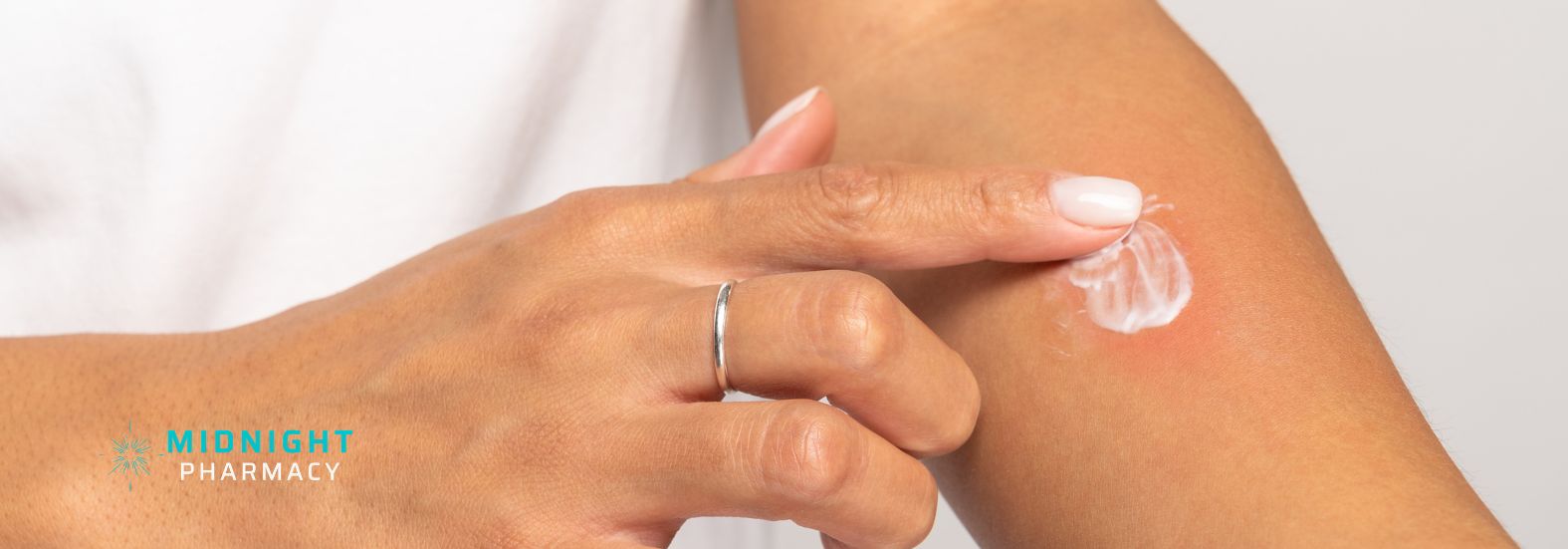
Whichever method is used, proper aftercare helps the area heal cleanly and reduces the chance of infection or scarring:
- ➤ Keep the treated area clean and dry for the first day or two
- ➤ Avoid picking at any scab or crust that forms while healing
- ➤ Apply a plaster if the area is prone to rubbing against clothing
- ➤ Contact us if you notice increasing redness, swelling or discharge
When to Seek Professional Help
You should seek professional advice before attempting any type of removal if:
- ➤ The skin tag is painful, changing in size or colour, or bleeding
- ➤ You have multiple skin tags in one area
- ➤ You have a history of skin conditions or diabetes
- ➤ You are unsure if the growth is a skin tag or something else
Our experienced team is here to help, whether you are looking for clinical removal or advice on over-the-counter treatments. We can provide personalised care in a safe and confidential setting. Contact us today to find out more.
Why Choose Our Bradford Team
We understand that deciding to have a skin tag removed, whether for comfort or confidence, is a personal choice that deserves to be handled with care and discretion. Choosing professional removal over a DIY approach means:
- ➤ A proper assessment before any procedure, reducing the risk of misdiagnosing a different type of lesion
- ➤ Sterile, controlled conditions that significantly lower the risk of infection
- ➤ A quick, comfortable procedure performed by trained professionals
- ➤ Clear aftercare advice so you know exactly how to look after the area while it heals
These factors combine to make professional removal a far more reliable choice than attempting the same result with household tools and no clinical guidance.
Frequently Asked Questions
Is it safe to cut off a skin tag myself?
No. Skin tags contain blood vessels and cutting them without sterile tools or proper technique carries a real risk of bleeding, infection and scarring.
Do skin tags have nerve endings?
Yes. Although small and soft, skin tags do contain blood vessels and nerve endings, which is why home removal can cause pain and bleeding.
Can I use tying methods like thread instead of cutting?
This carries similar risks to cutting, including pain, swelling and infection if not done under clinical supervision, so we would not recommend it as a DIY method.
How can I tell if it is a skin tag or something else?
A professional assessment is the safest way to confirm this, since some other skin lesions can look similar to a skin tag at first glance.
Are over-the-counter skin tag removal kits safe to use?
They can be suitable for small tags, but should only be used after speaking to a pharmacist, particularly if you have sensitive skin or an underlying medical condition.
Does professional skin tag removal hurt?
Most people experience little to no discomfort, with methods such as cryotherapy and cauterisation designed to be quick and well tolerated.
Will a skin tag grow back after professional removal?
The specific skin tag removed will not grow back, though new skin tags can develop elsewhere over time, particularly in areas prone to friction.
Do I need a referral to book skin tag removal?
No referral is needed. You can book directly with our Bradford team.
Can skin tags be a sign of a health condition?
Occasionally, a noticeable increase in skin tags has been linked to conditions such as insulin resistance. If you notice a sudden change, it is worth mentioning to your GP alongside any cosmetic removal.
Can I prevent new skin tags from forming?
Not entirely, though reducing friction in prone areas, maintaining a healthy weight and keeping skin folds dry can help lower how often new ones appear.
Book Your Consultation Today
If you are considering skin tag removal, do not take unnecessary risks. Avoid DIY methods and trust your local experts. At our Bradford pharmacy, we offer professional skin tag removal with a focus on safety, comfort and results you can trust.
Visit us in-store or get in touch to book your consultation today. You can also call us or drop in at 354 Great Horton Rd, Bradford, BD7 1QJ. Your skin deserves the right care, and we are here to provide it. You ca also book a ‘genernal appointment’ online for arranged support in-clinic.