
How Long Does a UTI Last Without Antibiotics? A Bradford Pharmacy Guide
Urinary tract infections (UTIs) are one of the most common bacterial infections, affecting the bladder, urethra or, in more severe cases, the kidneys. At our Bradford pharmacy, we regularly speak to people experiencing the discomfort and disruption of a UTI, and one of the most frequent questions we hear is: how long does a UTI last without antibiotics?
The answer depends on several factors, including the severity of the infection, the individual’s overall health, and whether any self-care measures are taken. While some very mild UTIs may clear up on their own, most will require treatment, which can take 3 – 5 days to clear up infection. Leaving a UTI untreated can lead to complications that are far more serious than the original infection.
In this article, we will explore what happens if you do not take antibiotics, compare timelines with and without treatment, and explain when to seek professional help. We will also cover how you can access safe, effective UTI treatment in Bradford directly from our pharmacy.
What Causes a UTI?
Most UTIs begin when bacteria, most commonly E. coli from the digestive tract, enter the urinary tract and begin to multiply. This can happen for a number of reasons, including not fully emptying the bladder, dehydration, sexual activity, or simply anatomical factors that make some people more prone to infection than others.
Women are affected far more often than men, largely due to having a shorter urethra, which makes it easier for bacteria to reach the bladder. Other groups at higher risk include people who are pregnant, people with diabetes, and those with a weakened immune system or a urinary catheter in place.
How Is a UTI Diagnosed?
In many cases, a UTI can be diagnosed based on your symptoms alone, particularly if they are typical and you have had one before. During a consultation, our pharmacists will ask about your symptoms, how long they have lasted, and any relevant medical history, such as pregnancy, diabetes or previous UTIs.
A urine sample may sometimes be tested using a dipstick to check for signs of infection, such as the presence of nitrites or white blood cells. This quick test can help confirm a UTI and rule out other causes of similar symptoms, allowing treatment to be tailored appropriately from the outset.

Who Is Most at Risk of a UTI?
While anyone can develop a UTI, certain groups are more likely to experience them, often for anatomical or health-related reasons:
| Group | Why the Risk Is Higher |
|---|---|
| Women | Shorter urethra allows bacteria to reach the bladder more easily |
| Pregnant women | Hormonal and physical changes affect the urinary tract |
| People with diabetes | Higher glucose levels in urine can encourage bacterial growth |
| Older adults | Reduced bladder function and other health conditions increase susceptibility |
| Catheter users | Catheters can introduce bacteria directly into the urinary tract |
What Happens If You Do Not Treat a UTI?
Once bacteria take hold, they cause inflammation in the bladder or urethra, leading to symptoms such as:
- ➤ A burning sensation when passing urine
- ➤ Needing to urinate more often or urgently
- ➤ Cloudy, dark or strong-smelling urine
- ➤ Discomfort in the lower abdomen
If the infection is limited to the lower urinary tract, there is a small chance it could resolve on its own, particularly if the person is otherwise healthy and drinks plenty of fluids. However, if left untreated, the infection can spread to the kidneys, causing back pain, high fever, nausea and, in rare cases, sepsis, a life-threatening condition that requires emergency treatment.
This is exactly why it is essential to monitor symptoms closely and seek help early if things do not improve within a day or two, rather than waiting to see if the infection resolves by itself.
How Long Does a UTI Last Without Antibiotics?
In very mild cases, a lower UTI might begin to clear within three to five days with rest, hydration and symptom management. However, this is not guaranteed, and many people find their symptoms persist for a week or more, or gradually worsen instead of improving. Without antibiotics, you may continue to experience discomfort, interrupted sleep and disruption to your daily routine for far longer than necessary.
More importantly, even if symptoms seem to ease temporarily, the underlying bacteria may not be fully cleared, which increases the risk of the infection returning or spreading further into the urinary tract.
How Long Does a UTI Last With Antibiotics?
When treated with antibiotics, most people start to feel noticeably better within 24 to 48 hours. The full course usually lasts three to five days for an uncomplicated infection, and it is essential to complete the entire course even if symptoms resolve earlier. Stopping early can allow surviving bacteria to multiply again, sometimes with increased resistance to treatment.
Antibiotics help clear the infection more quickly and reduce the risk of it spreading to the kidneys or returning in future. At our pharmacy, we offer UTI treatment in Bradford without the need to see a GP first. Our pharmacists are trained to assess your symptoms and, where appropriate, provide a course of antibiotics directly through a private consultation, saving you time and getting you on the path to recovery quickly and safely.
UTI Recovery Timeline at a Glance
| Approach | When Symptoms Typically Improve | Risk of Complications |
|---|---|---|
| No treatment | Days to weeks, if at all | Higher, including possible kidney infection |
| Self-care alone (fluids, rest) | Variable, often incomplete | Moderate, especially if symptoms are ignored |
| Antibiotics | 24 to 48 hours | Low, when the full course is completed |
Can You Try Home Remedies or Over-the-Counter Relief?
There are several ways to manage mild UTI symptoms at home, particularly if you are waiting for an appointment or want to ease discomfort alongside prescribed treatment. These include:
- ➤ Drinking plenty of water to help flush out bacteria
- ➤ Taking over-the-counter pain relief such as paracetamol
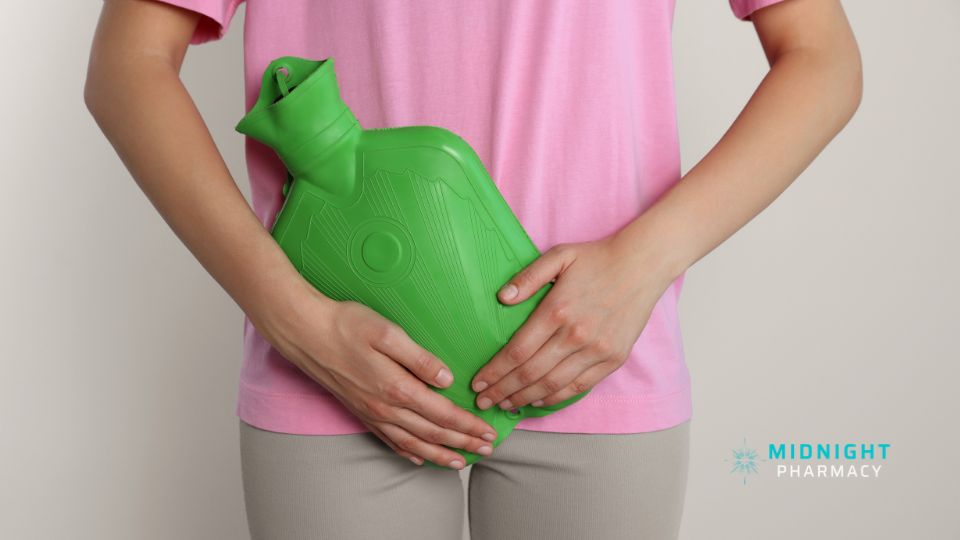
- ➤ Using a hot water bottle on the lower stomach to ease cramping
- ➤ Avoiding caffeine, alcohol and spicy foods that can irritate the bladder
Some people try cranberry supplements or drinks, though evidence on their effectiveness is mixed. While these remedies may offer some symptom relief, they do not cure the infection and should never be used as a substitute for medical treatment if symptoms persist beyond a couple of days.
When to Seek Professional Help
You should always seek professional advice if:
- ➤ Your symptoms last more than two to three days
- ➤ You have a high fever, back pain or nausea
- ➤ You notice blood in your urine
- ➤ You are pregnant or have diabetes
- ➤ You have had frequent UTIs in the past
At our Bradford pharmacy, we provide a convenient UTI consultation service that allows you to access treatment promptly and discreetly. There is no need to wait for a GP appointment, and we will ensure you receive the correct medication based on your symptoms and medical history. Our service follows the same Pharmacy First clinical pathways used nationally, so you can be confident the assessment you receive meets recognised clinical standards.
Reducing Your Risk of Future UTIs
Once one UTI has cleared, a few simple habits can help lower the chance of another one developing:
- Drink enough fluids throughout the day to keep urine pale and dilute
- Urinate as soon as you feel the need, rather than holding on for long periods
- Wipe front to back after using the toilet to reduce the spread of bacteria
- Urinate shortly after sexual activity
- Avoid unnecessary use of scented products in the genital area, which can disrupt natural bacterial balance
If you experience UTIs frequently despite these habits, it is worth discussing longer-term prevention options with our team, as recurring infections sometimes need a slightly different approach, such as a longer course of treatment or further investigation to rule out an underlying cause.

Why Choose Our Bradford Pharmacy for UTI Treatment?
As a trusted community pharmacy in Bradford, we are committed to providing fast, effective care for urinary tract infections. Our UTI service includes:
- ➤ Same-day treatment following a short consultation
- ➤ Access to appropriate antibiotics, if suitable
- ➤ Professional, confidential advice on symptom relief and prevention
- ➤ Pharmacy First treatment for UTIs in women
We also offer guidance on how to reduce your risk of future infections, including hygiene advice, fluid intake and lifestyle considerations tailored to you.
Frequently Asked Questions
How long does a UTI last without antibiotics?
Mild cases may start to improve within three to five days, though many last a week or longer, or worsen without treatment.
Can a UTI clear up on its own?
A very mild lower UTI sometimes clears without treatment, particularly with plenty of fluids, but this is not guaranteed and should not be relied upon if symptoms persist.
How quickly do antibiotics work for a UTI?
Most people notice an improvement within 24 to 48 hours of starting antibiotics, though the full course should still be completed.
Do I need to see a GP for a UTI?
Not necessarily. Our pharmacy can assess your symptoms and provide antibiotics directly where appropriate, without a GP referral.
Can men get UTIs too?
Yes, though they are less common in men than women. Men experiencing UTI symptoms should still seek an assessment, as underlying causes can sometimes differ.
Is it safe to take cranberry supplements instead of antibiotics?
Cranberry products may offer some symptom relief for a few people, but evidence is mixed and they should not replace antibiotics once an infection is confirmed.
What if I keep getting UTIs?
Recurring UTIs are worth discussing with our team, as there may be additional prevention strategies or further investigation that could help.
Is a UTI an emergency?
Most are not, but symptoms such as high fever, back pain or confusion alongside a UTI can indicate a kidney infection or sepsis and need urgent attention.
Does a pharmacy need a urine sample to diagnose a UTI?
Not always. Many cases can be assessed based on symptoms alone, though a quick dipstick test may be used to help confirm the diagnosis where needed.
Why am I more prone to UTIs than other people?
Factors such as anatomy, pregnancy, diabetes and catheter use can all increase the likelihood of developing a UTI, which is why some people experience them more often than others.
Do Not Wait to Feel Better
While some mild UTIs may pass on their own, most will linger or worsen without proper treatment. If you are wondering how long a UTI lasts, the honest answer is that it could be days, weeks, or longer without intervention, and the risks simply are not worth it.
If you are experiencing symptoms, do not suffer in silence. Contact us at our Bradford pharmacy for UTI treatment that is fast, safe and tailored to your needs. You can call us or drop in at 354 Great Horton Rd, Bradford, BD7 1QJ, or book an online or face-to-face consultation. Your health is too important to leave to chance.