
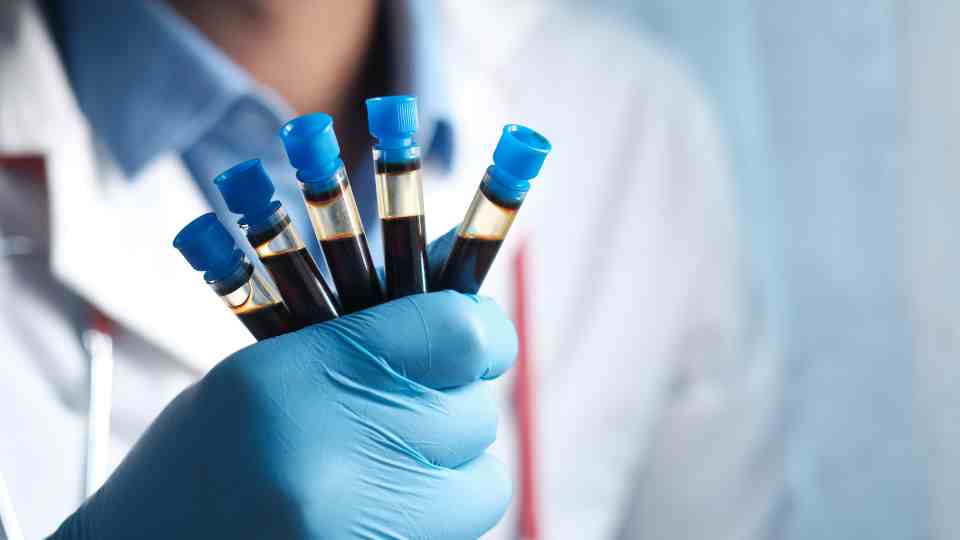
A Simple Guide To Getting A Cholesterol Test in Bradford
Cholesterol is something many people are aware of but few fully understand until a health concern prompts them to look into it more closely. Whether you have been advised to get checked or are simply curious about your heart health, knowing when and why to test makes a real difference.
This guide covers the key signs that might suggest a cholesterol blood test is worth considering, how the testing process works, and what your results actually mean. If you would like to discuss your health or arrange a test, contact us or book an appointment with our Bradford team today.
What Might Suggest You Should Get Tested?
High cholesterol rarely causes obvious symptoms, which is why it is sometimes described as a silent condition. Many people only discover elevated levels during a routine check or after a cardiovascular event.
However, certain factors can increase the likelihood that a test is worthwhile:
- ➤ You are aged 40 or over
- ➤ You have a family history of high cholesterol or heart disease
- ➤ You are overweight or have a higher body mass index
- ➤ You smoke or have smoked in the past
- ➤ You have type 2 diabetes or high blood pressure
- ➤ You have a diet high in saturated fats
- ➤ You lead a predominantly sedentary lifestyle
According to the NHS, around 2.5 million people in England are estimated to have familial hypercholesterolaemia, a genetic condition that causes high cholesterol from birth, and many remain undiagnosed.
You can read more about cholesterol and its risks on the NHS website.
Even without obvious risk factors, routine testing is a sensible step for maintaining good cardiovascular health.

How Does a Cholesterol Test Work?
A cholesterol test measures the levels of different fats in your blood. It is a straightforward process and can be carried out quickly at a pharmacy or clinic.
Here is what to expect:
- A small blood sample is taken in clinic.
- The sample is analysed to measure your cholesterol levels across several markers.
- Results are reviewed with a clinician who can explain what they mean for your health.
You may be asked to fast beforehand, particularly if a full lipid profile is being measured. A clinician will confirm this when you book.

Understanding Your Results
A cholesterol test typically measures several components. The table below explains what each one represents:
| Measurement | What It Means | Ideal Level (UK guidance) |
|---|---|---|
| Total cholesterol | Overall level of cholesterol in your blood | Below 5 mmol/L |
| LDL cholesterol | Often called “bad” cholesterol; contributes to artery narrowing | Below 3 mmol/L |
| HDL cholesterol | Often called “good” cholesterol; helps remove LDL from the blood | Above 1 mmol/L |
| Triglycerides | Another type of blood fat linked to cardiovascular risk | Below 1.7 mmol/L |
| Total:HDL ratio | Compares total cholesterol to HDL levels | Below 4 is generally considered healthy |
Results are interpreted alongside your broader health picture. A single elevated reading does not automatically indicate a serious problem, but it does give a clinician valuable information to guide next steps.
Frequently Asked Questions
Select each question to reveal the answer in the drop down:
Do I need to fast before a cholesterol test?
Not always. A basic total cholesterol check may not require fasting, but a full lipid profile often does. Typically, fasting for 9 to 12 hours beforehand is recommended. Water is fine to drink. Confirm this with us when you book.
How often should I have my cholesterol checked?
Adults over 40 are generally advised to have a check every five years as part of an NHS Health Check. If you have known risk factors or are on medication for cholesterol, more frequent testing may be recommended.
Can I lower my cholesterol without medication?
In many cases, yes. Lifestyle changes such as reducing saturated fat intake, increasing physical activity, stopping smoking, and maintaining a healthy weight can all help lower LDL cholesterol. A clinician can advise whether lifestyle changes alone are sufficient or whether medication should also be considered.
Is a cholesterol test painful?
Most people find a blood test causes minimal discomfort. The process is generally quick and straightforward.
Tips for Supporting Healthy Cholesterol Levels
- ➤ Swap saturated fats (butter, full-fat dairy, fatty meats) for unsaturated alternatives where possible
- ➤ Eat more fibre-rich foods such as oats, beans, and lentils
- ➤ Aim for at least 150 minutes of moderate exercise per week
- ➤ Limit alcohol to within recommended guidelines
- ➤ Stop smoking if applicable, as smoking lowers HDL cholesterol
- ➤ Attend regular health checks so changes can be identified early
Ready to Get Checked?
Understanding your cholesterol levels is one of the simplest steps you can take to look after your long-term health. Testing is quick, straightforward, and available at our Bradford pharmacy.
To arrange a test or speak with a clinician, get in touch or book an appointment online. You can also call us or visit us at 354 Great Horton Rd, Bradford, BD7 1QJ.