

How To Choose The Right Earwax Remover For You
Blocked ears can be surprisingly disruptive. Whether you notice a dull muffled sound, a feeling of fullness in one or both ears, or mild discomfort, earwax buildup is one of the most common causes. The question many people face is not simply how to remove it, but which method is actually right for their situation.
Not every earwax remover suits every person. Choosing the wrong approach can be ineffective or, in some cases, make things worse. Understanding your options is the first step to finding relief safely.
If you would like guidance on earwax removal in Bradford, contact us or book an appointment with our team today.
Why Earwax Builds Up
Earwax, known medically as cerumen, is produced naturally by the ear canal. In most people, it migrates out of the ear on its own without any intervention. However, certain factors can cause it to accumulate and cause problems.
Common reasons earwax builds up include:
- ➤ Using cotton buds, which push wax deeper into the canal
- ➤ Wearing hearing aids or in-ear headphones regularly
- ➤ Having naturally narrow or curved ear canals
- ➤ Producing harder or drier wax, which is less likely to migrate naturally
- ➤ Older age, as the ear’s self-cleaning mechanism becomes less efficient over time
Earwax buildup affects around one in 20 adults and is one of the most frequent reasons people visit a GP or pharmacist about their ears.
Over-The-Counter Ear Drops: When They May Help
For mild cases of earwax buildup, over-the-counter ear drops are often the first thing people try. These are available from most pharmacies and work by softening the wax so it can break down and exit the ear more naturally.
Ear drops tend to work best when:
- ➤ The blockage is partial rather than complete
- ➤ Symptoms are mild, such as slight muffling rather than significant hearing loss
- ➤ There is no history of ear problems, perforated eardrum, or ear surgery
- ➤ The person is willing to use them consistently over several days
Common ingredients include olive oil, sodium bicarbonate, and hydrogen peroxide-based solutions. They are generally safe when used as directed, but they are not suitable for everyone and will not resolve a significant blockage on their own.
Ear Irrigation: What To Know
Ear irrigation, sometimes called ear syringing, involves flushing the ear canal with water or a saline solution to dislodge and remove wax. It was historically one of the most widely used clinical methods for earwax removal.
However, it carries some limitations and is not appropriate for everyone. It should generally be avoided in people with:
- ➤ A perforated eardrum or history of perforation
- ➤ Previous ear surgery
- ➤ Active ear infections
- ➤ Grommets in place
- ➤ Very hard or impacted wax that has not been softened beforehand
Because of these restrictions, many clinicians now recommend microsuction as a safer, more precise alternative for most patients.
Comparing Earwax Removal Methods
| Method | How It Works | Best For | Key Limitations |
|---|---|---|---|
| Ear Drops | Softens wax over several days | Mild, partial blockages | Ineffective for significant buildup |
| Ear Irrigation | Flushes wax out with water | Softened wax in healthy ears | Not suitable for many ear conditions |
| Microsuction | Gentle suction removes wax under direct visualisation | Most patients, including complex cases | Should be carried out by a trained clinician |
| Manual Removal | Clinician removes wax using instruments | Specific cases under clinical assessment | Requires specialist skill and equipment |
Why Microsuction Is Often The Recommended Choice
For many people, microsuction is the most effective, comfortable, and safest method of earwax removal available. It is widely regarded by audiologists and ear care professionals as the gold standard approach, and for good reason.
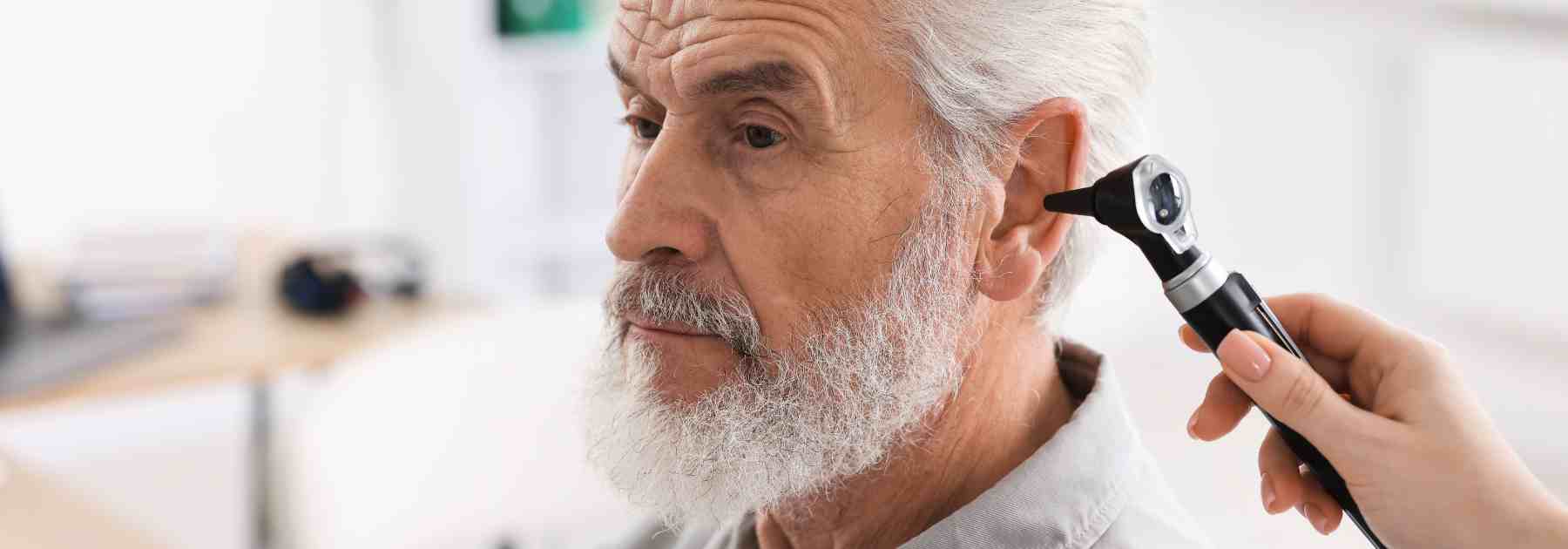
During a microsuction appointment, a clinician uses a small, low-pressure suction device alongside a microscope or loupe to view the ear canal directly while removing the wax. This means the procedure is carried out with precision and full visibility throughout.
Key advantages of microsuction include:
- ➤ No water is introduced into the ear canal, reducing the risk of infection
- ➤ The clinician can see exactly what they are doing at all times
- ➤ It is suitable for people with perforated eardrums, hearing aids, or previous ear surgery
- ➤ It can remove even harder, more impacted wax effectively
- ➤ Results are immediate, with most patients noticing improved hearing straight away
- ➤ The procedure is typically quick, often taking less than 30 minutes
Unlike ear drops, which may take days to work and may not fully resolve the problem, or irrigation, which carries specific contraindications, microsuction is suitable for a much wider range of patients and situations.
Who Should Consider Microsuction?
Microsuction is worth considering for anyone experiencing:
- ➤ Significant or sudden hearing loss caused by wax
- ➤ A feeling of fullness or pressure in one or both ears
- ➤ Tinnitus that has developed alongside earwax symptoms
- ➤ Recurring wax buildup that drops and irrigation have not resolved
- ➤ A history of ear problems that makes irrigation unsuitable
- ➤ Regular hearing aid use, as aids can accelerate wax accumulation
It is also an excellent option for people who simply want the most thorough and efficient result from a single appointment.
Frequently Asked Questions
Click on each question to find out more…
Do I need to use ear drops before microsuction?
In many cases, using olive oil ear drops for two to three days before your appointment can help soften the wax and make removal easier. Your clinician will advise you on this when you book.
Is microsuction painful?
Most people find microsuction comfortable. Some experience a mild sensation from the suction, and the sound can feel quite loud, but it is generally not painful. The procedure is well tolerated by most patients.
Can I remove earwax at home safely?
Ear drops used as directed are generally safe for mild cases. Cotton buds should be avoided as they push wax further into the ear canal and can cause damage. For persistent or significant blockages, professional removal is the safest and most effective option.
How often will I need earwax removal?
This varies between individuals. Some people require professional removal once or twice a year, while others rarely experience significant buildup. Your clinician can advise based on your specific situation.
Book Earwax Removal In Bradford
Choosing the right earwax remover depends on your symptoms, medical history, and the extent of any blockage. For most people seeking a safe, reliable, and immediate result, microsuction offers clear advantages over other methods.
Our Bradford team provides professional earwax removal in a comfortable, clinical setting. To find out which option is right for you, get in touch or book an appointment online. You can also call us or visit us at 354 Great Horton Rd, Bradford, BD7 1QJ.