
Malaria Treatment Why Early Action Makes A Difference
Malaria is a serious and potentially life-threatening infection that remains a significant health risk in many parts of the world. For travellers heading to affected regions, understanding both treatment and prevention is essential, but the most important message is straightforward: the best time to act is before you travel, not after symptoms appear.
Whether you are planning a trip to sub-Saharan Africa, South Asia, or Central America, getting the right antimalarial tablets in advance is far more effective than relying on treatment after infection. If you would like personalised travel health advice ahead of your trip, contact us or book an appointment with our Bradford travel health team today.

What Is Malaria And How Is It Transmitted?
Malaria is caused by Plasmodium parasites transmitted through the bites of infected female Anopheles mosquitoes. There are several species of the parasite, with Plasmodium falciparum being the most dangerous and most commonly responsible for severe illness and death.
Symptoms typically develop between seven and eighteen days after infection, though in some cases this window can be longer. Common symptoms include:
- ➤ High fever, often with chills and sweating
- ➤ Headache and muscle aches
- ➤ Nausea, vomiting, and fatigue
- ➤ In severe cases, confusion, seizures, or organ failure
The challenge is that early symptoms of malaria can resemble flu, which means it is sometimes not recognised quickly enough. This delay in diagnosis and treatment is one of the key reasons malaria remains so dangerous.

How Is Malaria Treated?
When malaria is diagnosed promptly, it is treatable. The type of treatment depends on which species of parasite is involved, the severity of the illness, and the region where infection occurred, as drug resistance varies by location.
Common antimalarial treatments include:
| Treatment | Used For | Notes |
|---|---|---|
| Artemisinin-based combination therapies (ACTs) | Uncomplicated P. falciparum malaria | First-line treatment in many countries |
| Chloroquine | P. vivax and P. ovale in non-resistant areas | Resistance is now widespread in many regions |
| Quinine with doxycycline | Complicated or drug-resistant cases | Often used when other treatments are not suitable |
| IV artesunate | Severe malaria requiring hospitalisation | Administered in a clinical setting |
Treatment must begin as quickly as possible once malaria is confirmed. Delays of even a day or two can allow the infection to progress from manageable to life-threatening, particularly with P. falciparum.
Why Treatment Alone Is Not Enough
While effective treatments exist, relying on them after infection carries significant risks. Access to prompt, accurate diagnosis in many malaria-endemic regions can be limited. Hospitals may be far away, drug supply chains can be unreliable, and identifying the correct parasite species is not always straightforward.
There is also the issue of drug resistance. In parts of Southeast Asia in particular, resistance to certain antimalarial drugs has been documented, which complicates treatment decisions. Around 2,000 people return to the UK with malaria each year, and the majority of these cases could have been prevented with appropriate antimalarial medication taken before and during travel.
This is why prevention, not just treatment awareness, should be at the centre of any travel health plan.
The Case For Antimalarial Tablets Before You Travel
Taking antimalarial tablets before, during, and after travel to a risk area is the single most effective personal action a traveller can take. Unlike treatment, which is a response to infection that has already occurred, prophylactic antimalarials work by preventing the parasite from establishing itself in the body in the first place.
The advantages of acting before you travel include:
- ➤ Protection begins before you arrive in a risk area, meaning you are covered from the outset
- ➤ You avoid the need to seek urgent medical care abroad, which can be costly and stressful
- ➤ You reduce the risk of severe illness, hospitalisation, and complications
- ➤ Tablets are prescribed following an assessment of your destination, itinerary, and medical history, ensuring you receive the most appropriate option
- ➤ Some antimalarial tablets need to be started up to three weeks before travel, so early planning matters
There is no single antimalarial that suits every traveller or destination. A travel health consultation identifies which option is most appropriate for you.
Antimalarial Tablet Options Available
| Tablet | When To Start Before Travel | How Long After Travel | Suitable For |
|---|---|---|---|
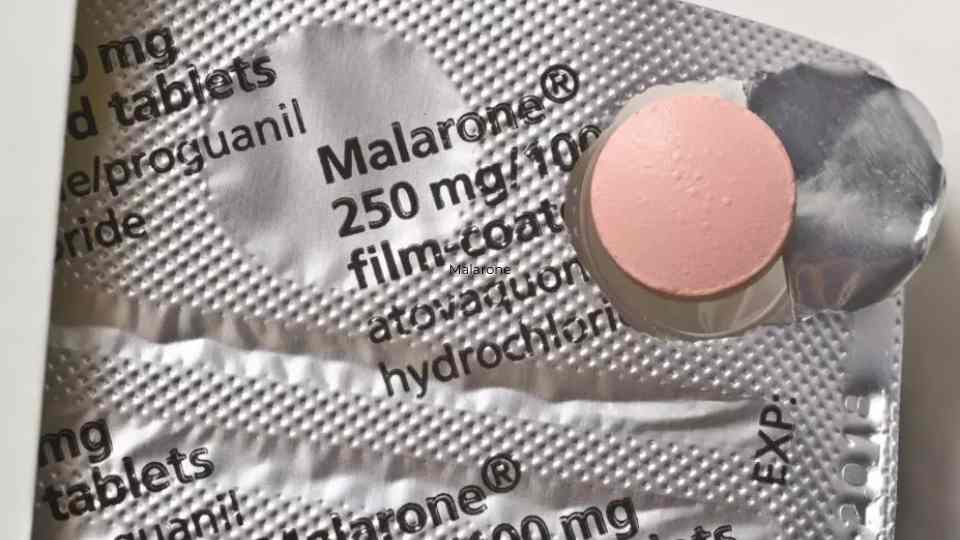
| Atovaquone/Proguanil (Malarone) | 1 to 2 days before | 7 days after | Most destinations; well tolerated |
| Doxycycline | 1 to 2 days before | 4 weeks after | Most destinations; not suitable during pregnancy |
| Mefloquine (Lariam) | 2 to 3 weeks before | 4 weeks after | Certain destinations; requires early prescription |
| Chloroquine with Proguanil | 1 week before | 4 weeks after | Limited use due to resistance patterns |
A clinician will recommend the most suitable option based on your specific travel plans, health history, and any medications you are already taking.
Antimalarials Are Only Part Of The Picture
Alongside taking tablets, bite prevention plays an important supporting role. Mosquitoes that carry malaria tend to be most active between dusk and dawn, so practical precautions during these hours are particularly valuable.

Recommended bite prevention measures include:
- ➤ Applying an effective insect repellent containing DEET to exposed skin
- ➤ Wearing long-sleeved clothing and long trousers in the evenings
- ➤ Sleeping under an insecticide-treated mosquito net where air conditioning is not available
- ➤ Keeping windows and doors closed or screened at night
- ➤ Seeking medical attention promptly if fever develops during or after travel
Used consistently alongside antimalarial tablets, these measures significantly reduce the overall risk of infection.
Frequently Asked Questions
Do I definitely need antimalarial tablets for my trip?
This depends entirely on your destination and planned activities. Not all regions carry the same level of risk, and some areas within a country may pose a higher risk than others. A travel health consultation reviews your specific itinerary and advises accordingly. It is always better to check in advance than to assume you do not need protection.
What happens if I forget to take my tablets while abroad?
If you miss a dose, take it as soon as you remember and continue as directed. Do not double up doses. Consistency matters because gaps in cover can reduce the effectiveness of prophylaxis. If you are unsure, contact a clinician for advice.
Can I get malaria even if I take tablets?
No antimalarial tablet provides 100% protection, which is why combining medication with bite prevention measures is always recommended. However, taking the correct tablets significantly reduces the risk of infection and, if infection does occur, can reduce severity.
How soon before travelling should I book a travel health appointment?
Ideally, at least four to six weeks before departure. Some tablets need to be started well in advance, and a consultation also allows time to discuss any other recommended vaccines or health precautions for your destination.
Is malaria prevention advice different for children or pregnant women?
Yes. Some antimalarial tablets are not suitable for young children or during pregnancy. A clinician will identify safe and effective options based on individual circumstances, which is why a personalised consultation is so important rather than purchasing tablets without professional guidance.
Do I need vaccines for other insect-borne illnesses?
Yes, depending upon your destination. We vaccinate against yellow fever, Japanese encephalitis, and more. Contact us for additional information.
Plan Ahead With Our Bradford Travel Health Team
When it comes to malaria, early action genuinely makes the difference between a safe trip and a serious health emergency. The right antimalarial tablets, chosen with professional guidance and taken correctly, give you the strongest possible protection before you even board your flight.
Do not leave it until the last minute. Get in touch with our team or book a travel health appointment in Bradford today. You can also call us or visit us at 354 Great Horton Rd, Bradford, BD7 1QJ.