

Infected Insect Bite Signs, Symptoms, And Treatment Explained For Bradford Residents
Insect bites are a common part of life in the UK, particularly during the warmer months. Most bites cause nothing more than temporary irritation, but some can become infected and require prompt treatment. Knowing what to look for and what to do next can make a real difference to how quickly you recover.
At Midnight Pharmacy in Bradford, our team can help you manage insect bites through the NHS Pharmacy First service, offering assessment and treatment without the need for a GP appointment. To get advice quickly, contact us or book an appointment today.
Step 1: You Have Been Bitten
Insect bites in the UK most commonly come from midges, mosquitoes, horseflies, fleas, bedbugs, or ticks. The initial reaction is usually localised and mild: a small raised area of skin, redness, and itching that begins within minutes to hours of the bite.
At this stage, the bite is not infected. Most bites resolve on their own within a few days with basic care.
What to do immediately:
- ➤ Wash the area gently with soap and water
- ➤ Apply a cool, damp cloth or wrapped ice pack to reduce swelling
- ➤ Avoid scratching the bite as this increases infection risk
- ➤ Use an antihistamine tablet or cream to relieve itching if needed
- ➤ Keep the area clean and dry
Step 2: Watch for Signs of Infection
If the bite does not begin to improve within a couple of days, or if it appears to be getting worse, it is important to monitor it closely for signs of infection. Scratching breaks the skin barrier and allows bacteria to enter, which is the most common cause of an infected bite.
Signs that a bite may be infected include:
- ➤ Increasing redness spreading beyond the original bite site
- ➤ Warmth and swelling around the area
- ➤ Pain or tenderness that is worsening rather than improving
- ➤ Pus or fluid leaking from the bite
- ➤ A raised, firm area developing around the site
- ➤ Feeling generally unwell, feverish, or fatigued
A spreading area of redness, warmth, and swelling around an insect bite is a classic sign of cellulitis, a bacterial skin infection that requires antibiotic treatment.
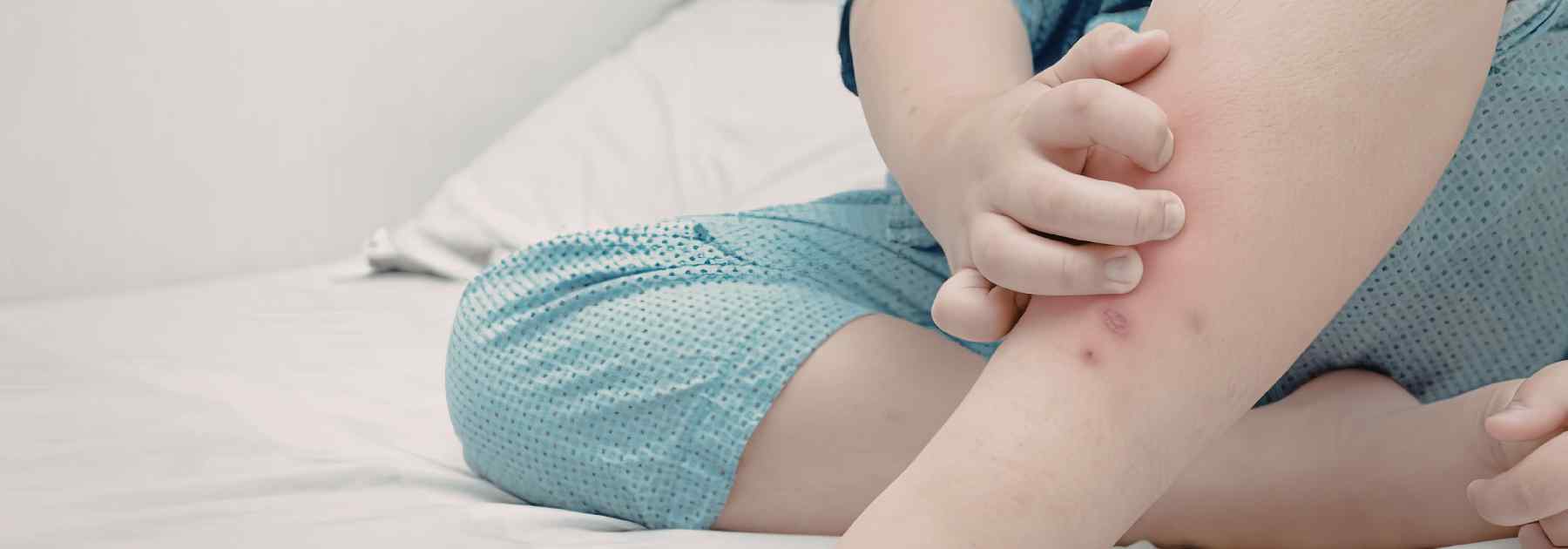
Step 3: Understand When to Seek Help
Not every bite needs professional attention, but certain symptoms mean you should not wait and see.
Seek prompt treatment if:
- ➤ Redness is spreading and the area is becoming increasingly swollen
- ➤ You develop a high temperature or feel systemically unwell
- ➤ The bite is near your eye, throat, or on your face
- ➤ A tick has been attached for more than 24 hours and has not been fully removed
- ➤ You experience difficulty breathing or swallowing, which requires emergency care immediately
For an infected bite that is localised and not causing systemic symptoms, Pharmacy First is an excellent first point of contact.
Step 4: Visit Midnight Pharmacy for Pharmacy First Treatment
The NHS Pharmacy First service allows trained pharmacists to assess and treat a range of conditions, including infected insect bites, without a GP referral. This means faster access to the care you need, right here in Bradford.
During a Pharmacy First consultation for an infected insect bite, our pharmacist will:
- ➤ Assess the bite site and surrounding skin
- ➤ Determine whether the infection requires antibiotic treatment
- ➤ Supply appropriate medication where clinically suitable
- ➤ Advise on aftercare and what to watch for going forward
- ➤ Refer you to a GP or urgent care if the infection is more serious
You do not need an appointment to access Pharmacy First. Simply walk in to 354 Great Horton Rd, Bradford, BD7 1QJ, or call us on 01274 911786 if you have questions before visiting.
Step 5: Treatment and Recovery
Treatment for an infected insect bite depends on the severity. Mild infections may respond well to topical antiseptic and careful wound care. More significant infections, particularly those showing signs of spreading cellulitis, are typically treated with a course of oral antibiotics.
During recovery:
- ➤ Complete any prescribed antibiotic course in full
- ➤ Keep the bite area clean and covered where appropriate
- ➤ Continue to avoid scratching to prevent further skin damage
- ➤ Return for review if symptoms are not improving after 48 hours of treatment
- ➤ Seek urgent help if symptoms worsen significantly or new symptoms appear
Most uncomplicated infected bites respond well to treatment and resolve fully within one to two weeks.

Worried About Bites at Home or Abroad?
If insect bites are a concern when travelling, our Bradford travel clinic offers a comprehensive range of travel health services. We can advise on appropriate insect repellents, including DEET-based products suited to your destination, as well as vaccinations that protect against insect-borne diseases such as dengue fever, yellow fever, and Japanese encephalitis.
Even within the UK, tick bites in rural areas carry a small risk of Lyme disease. If you are spending time outdoors in grassy or woodland areas, our team can provide practical prevention advice and help you understand what to watch for after a tick bite.
Frequently Asked Questions
How do I know if my insect bite is infected or just reacting normally?
A normal reaction causes temporary redness, swelling, and itching that improves within a few days. An infection typically causes symptoms that worsen over time, including spreading redness, increasing pain, warmth, and sometimes pus. If you are unsure, our team can assess the bite quickly through Pharmacy First.
Can a pharmacist prescribe antibiotics for an infected insect bite?
Yes. Through the NHS Pharmacy First service, pharmacists can supply antibiotics for certain infected insect bites without a GP appointment, where this is clinically appropriate. This means faster treatment without waiting for a surgery appointment.
What is cellulitis and is it serious?
Cellulitis is a bacterial skin infection that can develop following an insect bite. It causes redness, swelling, warmth, and pain that spreads across the skin. While most cases respond well to antibiotics, cellulitis that is left untreated can become serious. Early treatment is always recommended.
What should I do if I find a tick attached to my skin?
Remove the tick as soon as possible using fine-tipped tweezers or a tick removal tool. Grip it as close to the skin as possible and pull upward steadily without twisting. Do not squeeze the body of the tick. Clean the area afterwards and monitor for any rash or flu-like symptoms over the following weeks.
Is Pharmacy First available to everyone in Bradford?
Yes. The NHS Pharmacy First service is available to patients registered with a GP in England, including Bradford residents. You do not need to be registered with us specifically. Simply visit us at 354 Great Horton Rd and our team will be happy to help.
When should I go to A&E rather than a pharmacy for an insect bite?
Go to A&E or call 999 immediately if you experience difficulty breathing, swelling of the face or throat, dizziness, or a rapid heartbeat after a bite. These are signs of a severe allergic reaction (anaphylaxis) and require emergency treatment.
Can I prevent insect bites in the UK?
Bite prevention in the UK includes applying an insect repellent containing DEET or picaridin, wearing long sleeves and trousers in rural or wooded areas, checking skin and clothing for ticks after outdoor activities, and using window screens or fans to reduce indoor mosquito exposure during summer months.